The Right Temperature: How to Make Your Wine Harmonize with the Food

The Right Temperature: How to Make Your Wine Harmonize with the Food
A good bottle of wine can turn an ordinary dinner into something memorable—but only if it’s served at the right temperature. Too cold, and the aromas hide. Too warm, and the alcohol takes over. Temperature affects flavor, aroma, and balance, so it’s worth taking a moment to get it right. Here’s a guide to help your wine and food sing in harmony—from crisp whites to perfectly tempered reds.
Why Temperature Matters
Wine is a living product, and its character changes with temperature. When it’s too cold, the aromas are muted and the acidity feels sharper. When it’s too warm, the alcohol becomes more pronounced, and the wine can taste heavy or unbalanced.
The right temperature brings out the best in each style: the brightness of a Sauvignon Blanc, the fruit of a Pinot Noir, or the depth of a Napa Cabernet. You don’t need to be exact to the degree—just aim for a range that lets the wine express itself fully.
White Wine: Cool, Not Icy
White wines shine when served cool, but not straight from the fridge. At refrigerator temperature (around 38°F), the flavors are subdued and the wine can seem flat. Let it warm slightly before pouring.
- Light and crisp whites (e.g., Sauvignon Blanc, Pinot Grigio): 46–50°F
- Fuller-bodied whites (e.g., Chardonnay, Viognier): 50–54°F
- Sweet dessert wines: 43–46°F
A simple trick: take the bottle out of the fridge about 15–20 minutes before serving. That’s usually enough time for the wine to open up and show its true character.
Red Wine: Room Temperature Isn’t Always Right
The old advice to serve red wine at “room temperature” dates back to when rooms were cooler than today. In most American homes, 72°F is too warm for red wine—it makes the alcohol stand out and the tannins feel harsh.
- Light reds (e.g., Beaujolais, Pinot Noir): 57–61°F
- Medium-bodied reds (e.g., Merlot, Chianti): 61–64°F
- Full-bodied reds (e.g., Cabernet Sauvignon, Syrah): 64–68°F
If your red has been sitting in a warm room, pop it in the fridge for 15 minutes before serving. That short chill will bring the fruit forward and smooth out the edges.
Læs også:

Rosé and Sparkling: Keep It Fresh
Rosé and sparkling wines are all about freshness and energy, and they taste best on the cooler side. For sparkling wines, a lower temperature also helps preserve the bubbles.
- Rosé: 46–50°F
- Champagne and sparkling wines: 43–46°F
If you serve sparkling wine too warm, it loses its crispness quickly. Use an ice bucket filled with water and ice cubes—it cools the bottle evenly and efficiently.
Matching Wine and Food Through Temperature
Temperature doesn’t just affect the wine itself—it also changes how it interacts with food. A slightly cooler white wine can cut through rich dishes, while a lightly chilled red can be perfect for summer barbecues.
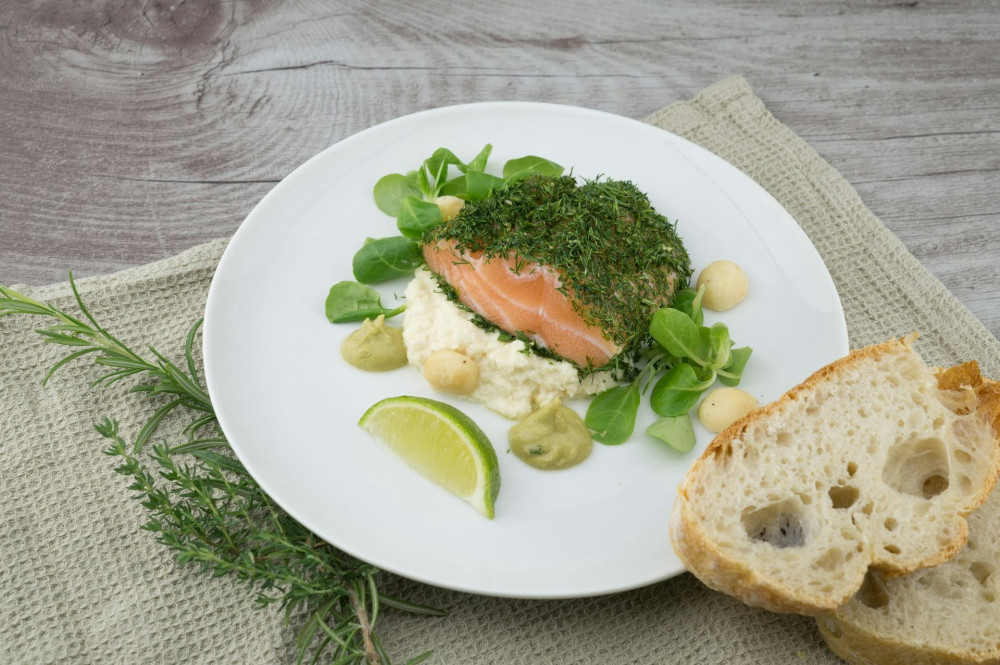
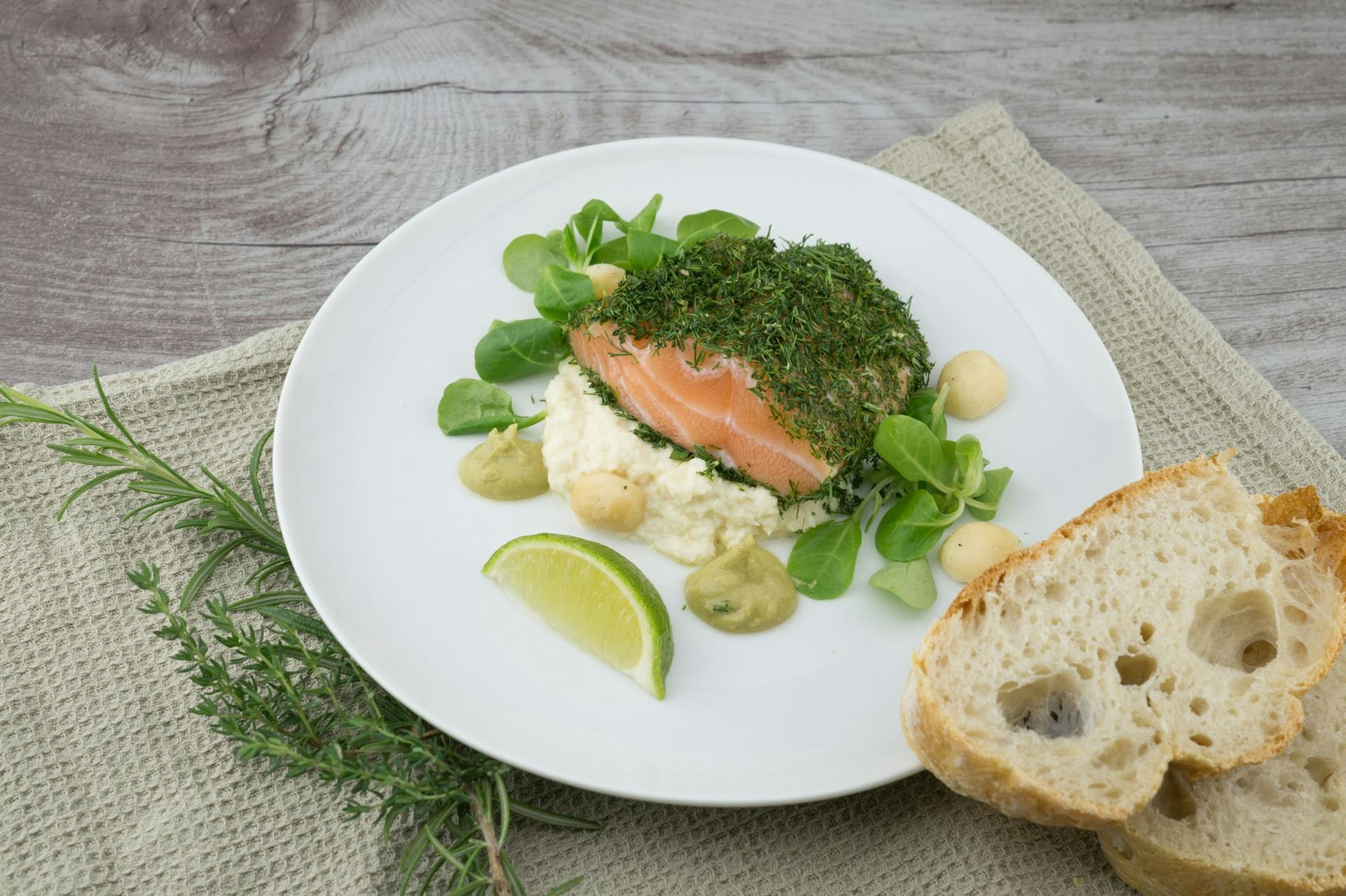
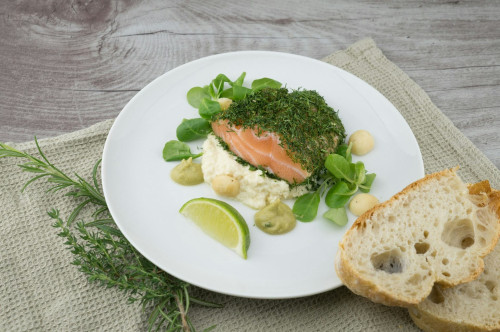
- Rich dishes (like salmon or creamy pasta): serve the wine a bit cooler to add freshness.
- Spicy foods: a lightly chilled red or off-dry white can soften the heat and highlight fruit flavors.
- Hearty meat dishes: serve the wine a touch warmer to let the aromas bloom.
Think of temperature as another seasoning—it helps balance the flavors on your plate and in your glass.
Practical Serving Tips
- Use a thermometer – a simple wine thermometer or instant-read kitchen thermometer works fine.
- Cool gradually – avoid the freezer; use the fridge or an ice-water bath instead.
- Maintain temperature during the meal – use a wine cooler sleeve or ice bucket, especially for whites and rosés.
- Taste and adjust – pour a small glass, take a sip, and see how it feels. A few degrees can make a big difference.
The Right Temperature: A Small Detail with a Big Impact
Serving wine at the right temperature doesn’t require fancy equipment—just a bit of attention. When you hit the sweet spot, the wine’s aromas, flavors, and balance come alive, and the pairing with your food feels effortless. It’s a small detail that can elevate the entire dining experience.
Læs også: