Give Tired Ingredients New Life: Flavors Worth Rediscovering

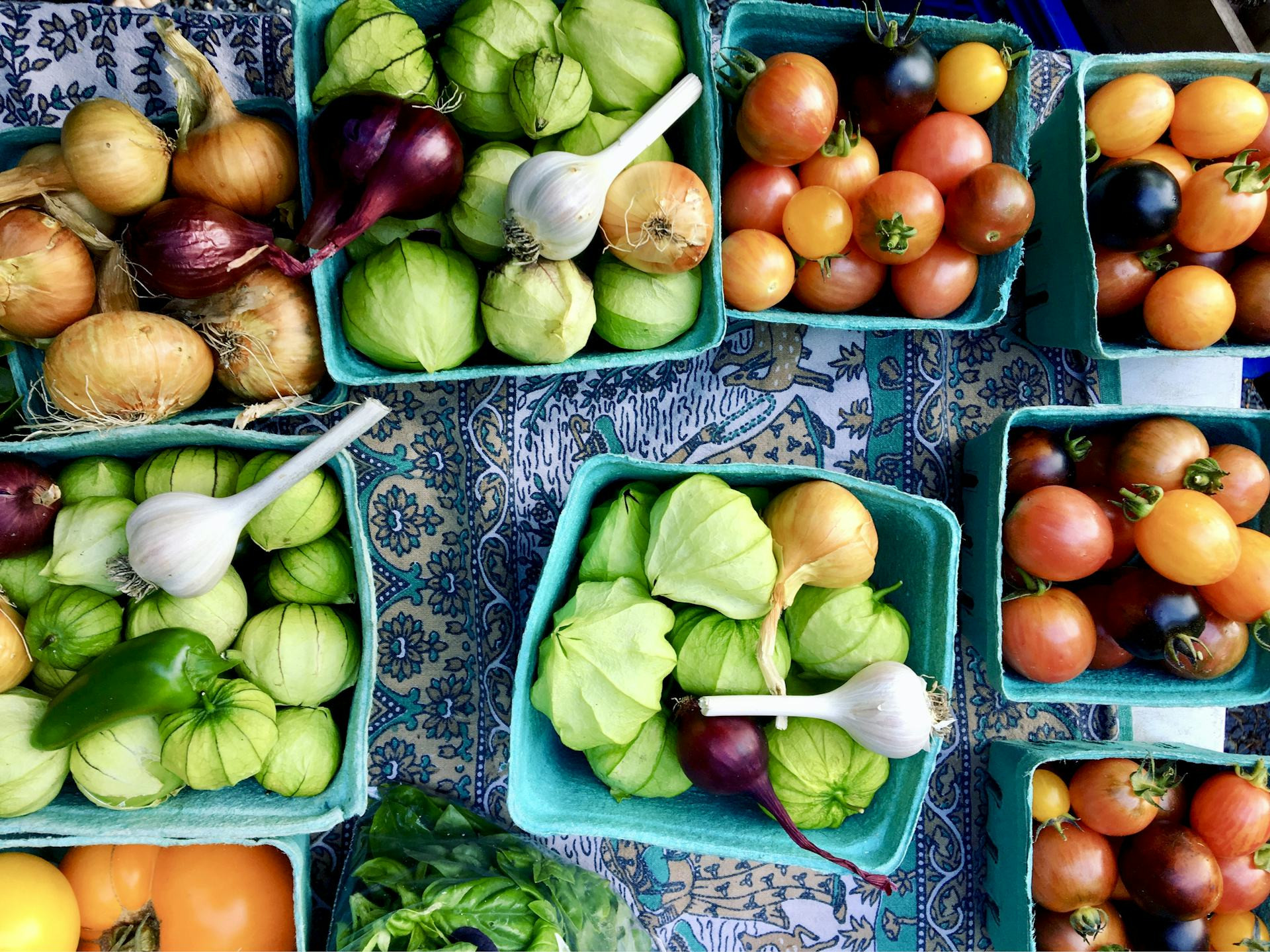
Give Tired Ingredients New Life: Flavors Worth Rediscovering
We’ve all been there: the lettuce has wilted, the bread’s gone hard, and the bananas are more brown than yellow. But before you toss them out, take a second look. Many ingredients that seem past their prime can actually be transformed into something delicious. With a little creativity and know-how, you can turn what looks like waste into dishes full of depth, comfort, and flavor.
Vegetables Past Their Peak – Still Full of Potential
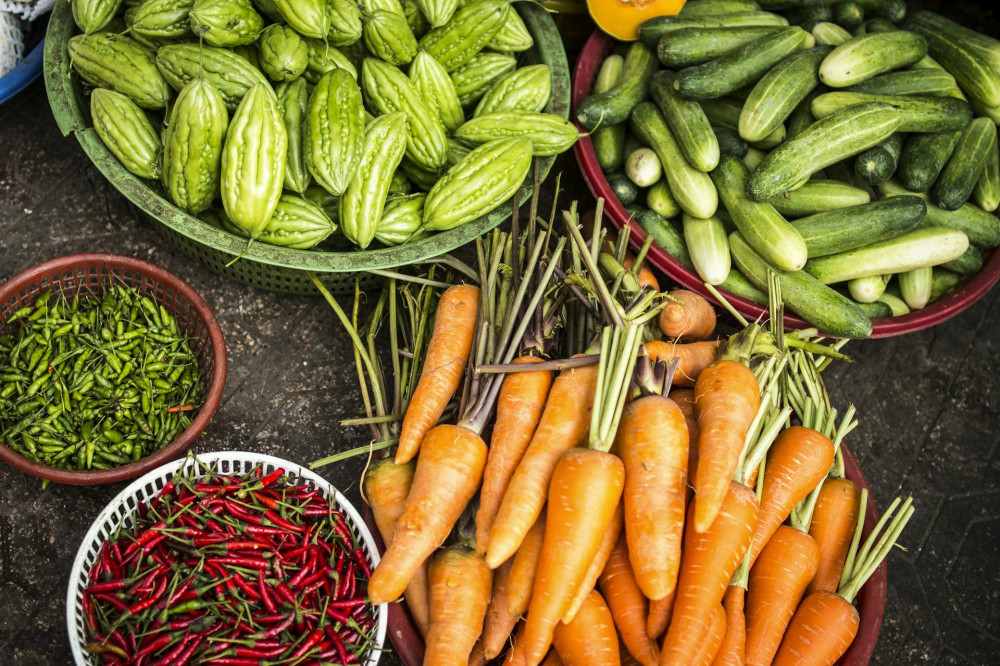
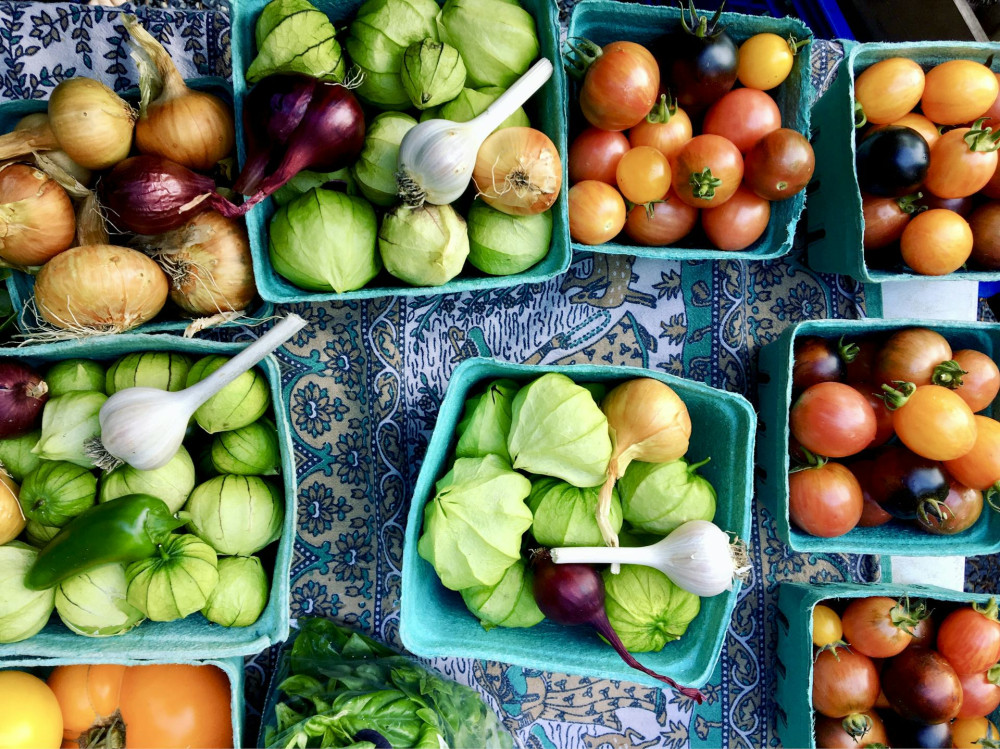
When vegetables lose their crispness, they often gain sweetness and complexity. That makes them perfect for dishes where texture isn’t the star.
- Soups and stews: Limp carrots, celery, and onions are ideal for slow cooking. They release their natural sugars and create a rich, flavorful base.
- Roasted vegetables: Toss tired root veggies with olive oil, salt, and herbs, then roast until caramelized. The oven brings out their best side.
- Homemade stock: Save vegetable scraps in a freezer bag—peels, ends, and stems—and simmer them later for a homemade broth that’s both sustainable and satisfying.
Cutting older vegetables into smaller pieces helps them cook evenly and release flavor faster, turning “meh” into “mmm.”
Fruit That’s Seen Better Days
Soft or overripe fruit may not look pretty, but it’s often at its sweetest. That makes it perfect for baking, blending, or simmering into something new.
- Apples and pears: Slice and sauté them with butter and cinnamon for a quick topping on oatmeal or ice cream. Or bake them into crisps and cobblers.
- Bananas: The spottier, the better for banana bread, muffins, or pancakes. They add natural sweetness and moisture.
- Berries: Overripe or frozen berries can be cooked into jam, blended into smoothies, or turned into a simple sauce for desserts.
Using fruit at its ripest stage often gives you a more intense flavor than when it’s fresh off the shelf.
Bread That’s Gone Stale – But Not Lost
Dry bread is a kitchen classic, and there are countless ways to bring it back to life.
- Toast it: Slice, drizzle with olive oil, and bake into crunchy croutons for soups and salads.
- Make a casserole or pudding: Old bread is the foundation of comfort dishes like bread pudding or savory strata.
- Turn it into breadcrumbs: Pulse stale bread in a food processor and store the crumbs for coating chicken or topping casseroles.
From crisp to creamy, stale bread can do it all—it just needs a little imagination.
Herbs and Greens – Small but Mighty
Herbs wilt fast, but they still pack a punch of flavor.
- Pesto or herb oil: Blend soft herbs with olive oil, nuts, and cheese for a quick sauce that brightens pasta, sandwiches, or roasted veggies.
- Freeze for later: Chop herbs, mix with a bit of oil, and freeze in ice cube trays. Pop one out whenever you need a burst of flavor.
- Flavor boosters: Even stems from parsley or cilantro can add depth to soups and sauces—don’t let them go to waste.
A handful of fading herbs can be the secret ingredient that ties a dish together.
Think Like a Chef, Not a Consumer
Reviving tired ingredients isn’t just about saving money or reducing waste—it’s about shifting perspective. Chefs see potential where others see problems. A droopy vegetable or bruised fruit isn’t a failure; it’s an opportunity to create something new. By using every part of what you buy, you discover flavors and textures that might otherwise go unnoticed.
Læs også:


Flavors Worth Rediscovering
When you start to see the hidden value in your ingredients, cooking becomes more creative and rewarding. You learn to taste, to improvise, and to make the most of what you have. It’s good for the planet, good for your wallet, and good for your palate. Sometimes, the best flavors are waiting right there—in the ingredients you almost gave up on.
Læs også: