Seasonal Ingredients: Simple Ways to Healthier Meals

Seasonal Ingredients: Simple Ways to Healthier Meals
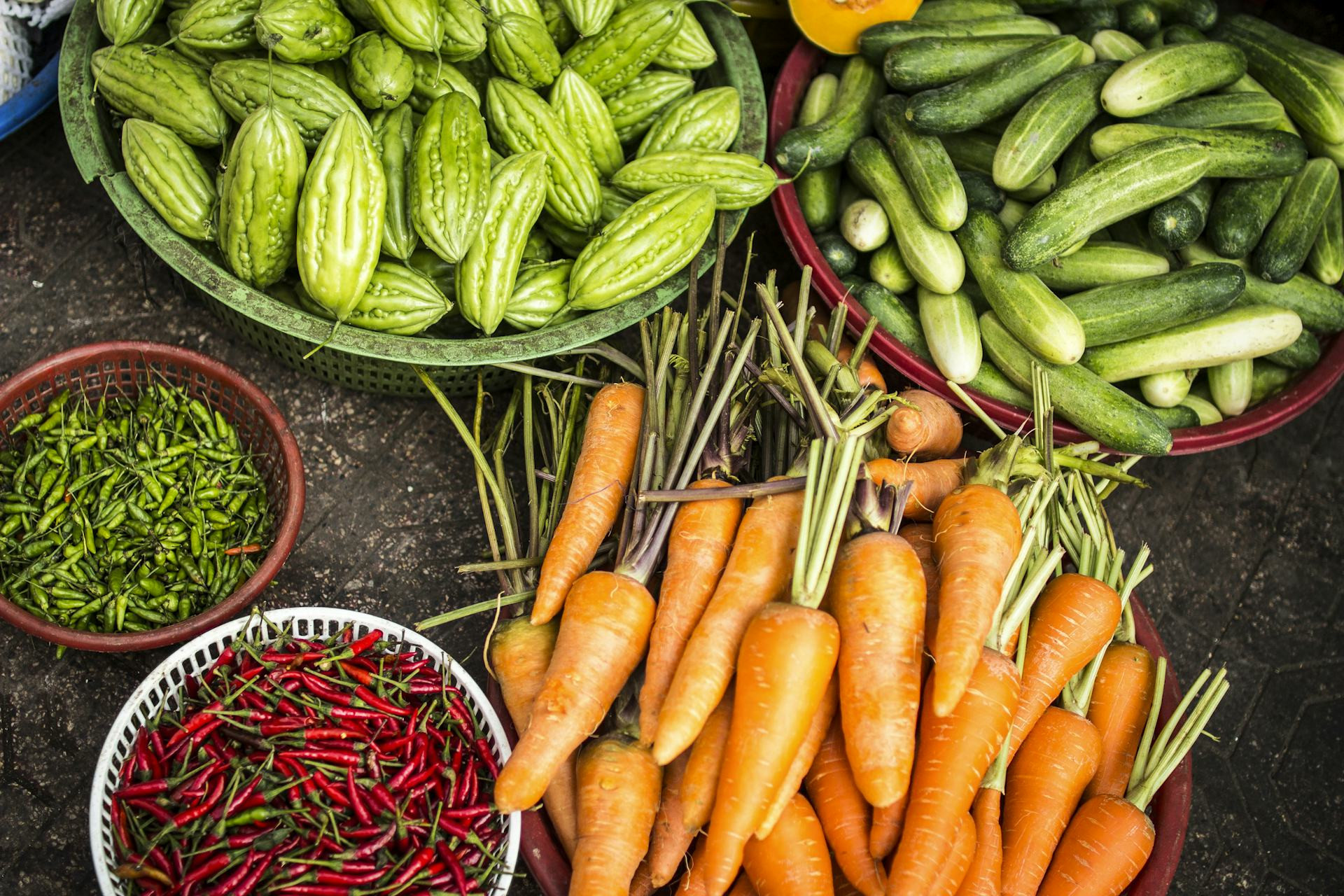
Eating with the seasons isn’t just about flavor—it’s about health, sustainability, and connection to local food. When you choose ingredients that are in season, you get fresher produce that’s often richer in vitamins and minerals. You also support local farmers and reduce the environmental impact of long-distance shipping and storage. Here’s how seasonal eating can be a simple path to healthier meals all year long.
Why Seasonal Ingredients Matter
Fruits and vegetables that ripen naturally in their season develop more flavor and nutrition. A summer tomato from a local farm tastes completely different from one shipped across the country in winter. The same goes for leafy greens, root vegetables, and berries—they thrive when grown in their natural rhythm.
Seasonal produce is often more affordable, too. When supply is high and transportation costs are low, you can eat better without spending more. It’s a win for your health, your wallet, and the planet.
Spring: Fresh and Green
Spring marks a time of renewal, both in nature and in the kitchen. After months of hearty winter meals, it’s time for lighter, brighter dishes.
- Asparagus – high in fiber and folate, delicious roasted or steamed with a squeeze of lemon.
- Spinach and arugula – perfect for salads, omelets, or smoothies.
- Radishes and peas – crisp, colorful, and full of early-season sweetness.
Keep your cooking simple—lightly sauté, steam, or grill to preserve nutrients and flavor.
Læs også:


Summer: Color, Freshness, and Ease
Summer is the season of abundance. Farmers’ markets overflow with vibrant fruits and vegetables, making it easy to fill your plate with color.
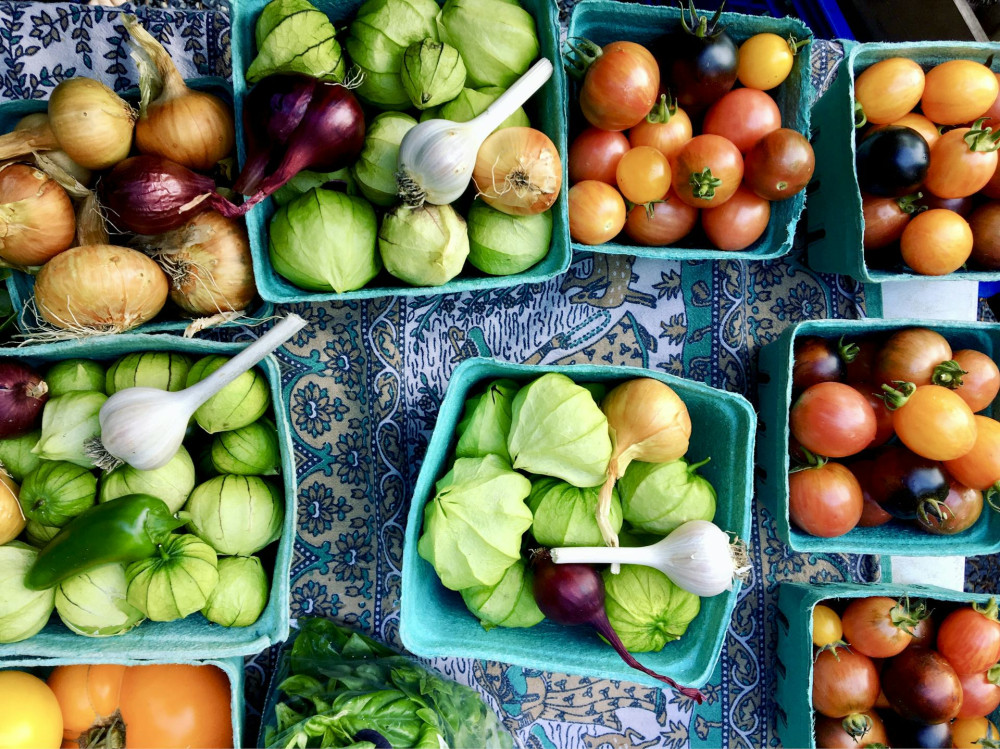
- Tomatoes, cucumbers, and sweet corn – ideal for salads, salsas, and quick meals.
- Berries – strawberries, blueberries, and blackberries are packed with antioxidants and natural sweetness.
- Fresh herbs – basil, mint, and cilantro add brightness to any dish.
Try grain bowls with grilled vegetables, or toss together a simple salad with beans, herbs, and a drizzle of olive oil. Summer meals should be light, quick, and full of flavor.
Fall: Comfort and Warmth
As the days grow shorter and cooler, our bodies crave heartier foods. Fall brings a bounty of produce that’s perfect for cozy, nourishing meals.
- Pumpkin and winter squash – great for soups, roasting, or purees.
- Sweet potatoes and beets – rich in fiber and color, ideal for roasting or mashing.
- Apples and pears – delicious in both sweet and savory dishes.
Fall cooking is all about warmth—roasting, baking, and slow simmering bring out deep, comforting flavors.
Winter: Hearty and Resilient
Even in the coldest months, there’s plenty to enjoy. Winter produce is sturdy, nutrient-dense, and built to last.
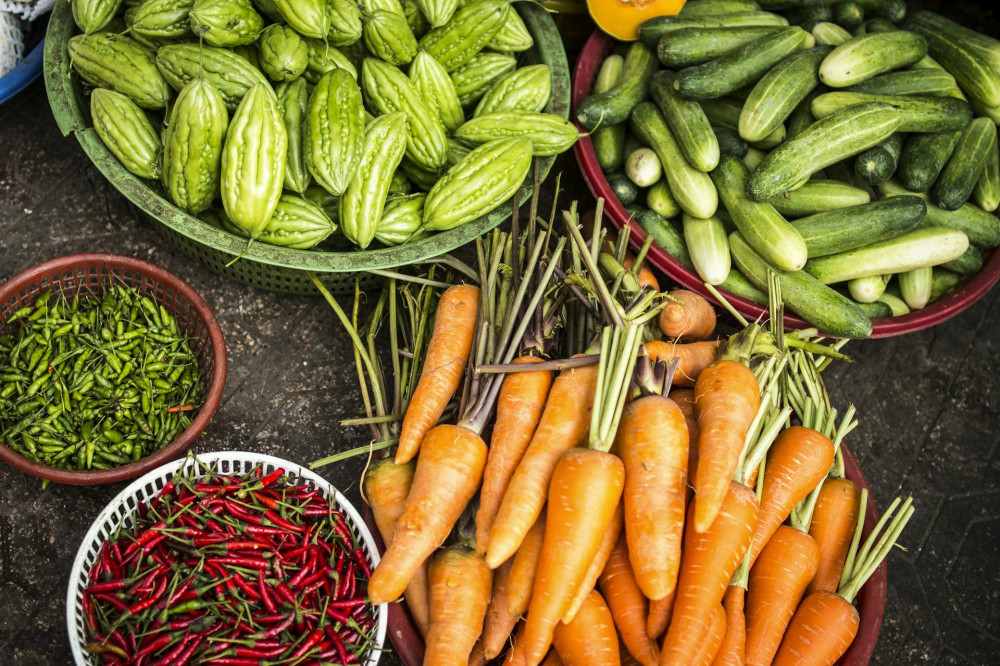
- Root vegetables like carrots, parsnips, and turnips – perfect for soups, stews, and oven roasts.
- Cabbage, kale, and Brussels sprouts – full of vitamins and great for sautés or salads.
- Citrus fruits – oranges, grapefruits, and lemons are at their peak, adding brightness to winter meals.
Use the season to experiment with spices and slow-cooked dishes. A little patience brings out incredible depth of flavor.
Getting Started
Eating seasonally doesn’t require a complete lifestyle change—just a bit of awareness and planning.
- Check seasonal produce guides – many grocery stores and food websites list what’s in season by month and region.
- Shop local – visit farmers’ markets or join a CSA (Community Supported Agriculture) program.
- Plan meals around what’s fresh – let seasonal produce inspire your weekly menu.
- Cook in batches – use leftovers creatively in soups, salads, or wraps.
Once you start paying attention to the seasons, it quickly becomes second nature—and your meals will taste better for it.
A Simple Path to Healthier Habits
Seasonal eating isn’t about strict rules; it’s about rhythm. By letting nature’s calendar guide your choices, you naturally add variety, eat more vegetables, and reduce waste. It’s a simple, satisfying way to make your meals healthier—for you, your community, and the planet.
Læs også: