Gastronomy as an Experience – When Food Creates Atmosphere and Connection

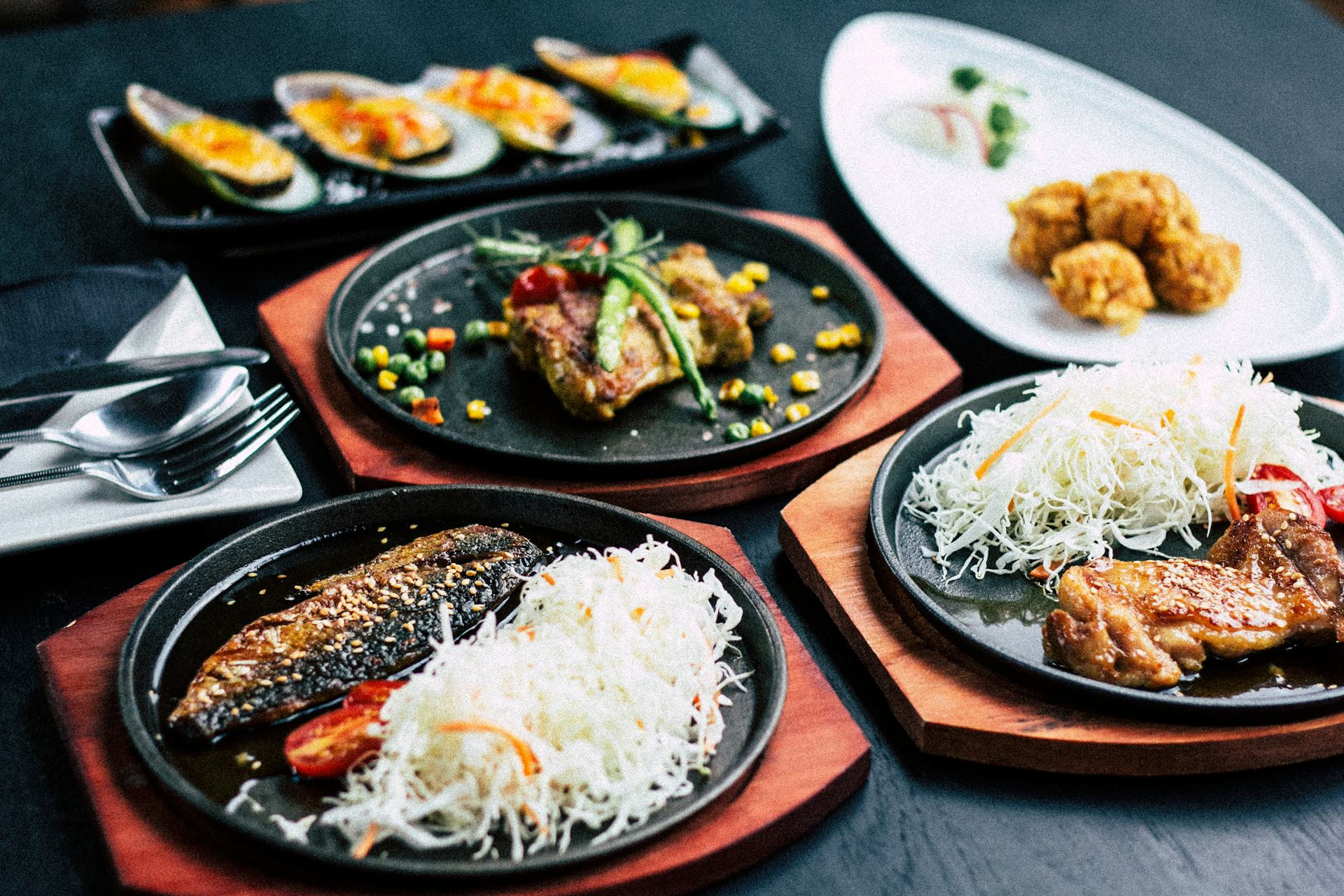
Gastronomy as an Experience – When Food Creates Atmosphere and Connection
Food is far more than nourishment. It is scent, color, sound, and emotion – and perhaps the most universal language we share. When we gather around a meal, we exchange not only dishes but also stories, traditions, and feelings. Gastronomy, then, is not just about taste; it is about experience – about how food can create atmosphere, connection, and memory.
When the Meal Becomes an Experience
In a world where daily life often moves at high speed, meals can easily become something to “get through.” Yet, there is a growing movement toward slowing down and turning eating into an experience in itself. It doesn’t have to mean fine dining or elaborate recipes. It can simply mean creating moments where the senses and the company take center stage.
A beautifully set table, the glow of candlelight, and the aroma of something baking in the oven can transform an ordinary dinner into something special. The experience lies in the details – in how we prepare, serve, and share the food. When we take the time to savor, the meal becomes a pause from the demands of everyday life, a space for presence and connection.
The Power of Food to Bring People Together
Food has always been a social event. From family reunions and neighborhood barbecues to community potlucks and farmers’ markets, meals bring people together across generations, backgrounds, and cultures. Around the table, we talk, laugh, and learn about one another.
Across the United States, new forms of communal dining are emerging – supper clubs, pop-up dinners, and local food festivals where chefs, volunteers, and neighbors cook and eat together. These gatherings are not just about eating; they are about belonging. Studies show that shared meals strengthen social bonds and can even reduce feelings of isolation. In this way, gastronomy becomes a vital part of community life.
The Role of the Senses – When Food Awakens Emotion
Gastronomy is a sensory art. Taste, smell, texture, and color work together to shape our emotions and memories. The scent of cinnamon might recall a childhood holiday, while the sound of something sizzling in a pan can spark anticipation and comfort.
Chefs and food artists increasingly design experiences that engage all the senses. Some restaurants use lighting, music, and scent to enhance the atmosphere, while others focus on simplicity and authenticity. What unites them is the desire to create a holistic experience – one that speaks to both body and soul.
Læs også:


Tradition and Innovation in the Kitchen
Gastronomy is also a form of cultural heritage. Every dish tells a story – about landscapes, ingredients, and people. At the same time, food culture is constantly evolving. New techniques, global influences, and sustainable thinking are reshaping how we cook and eat.
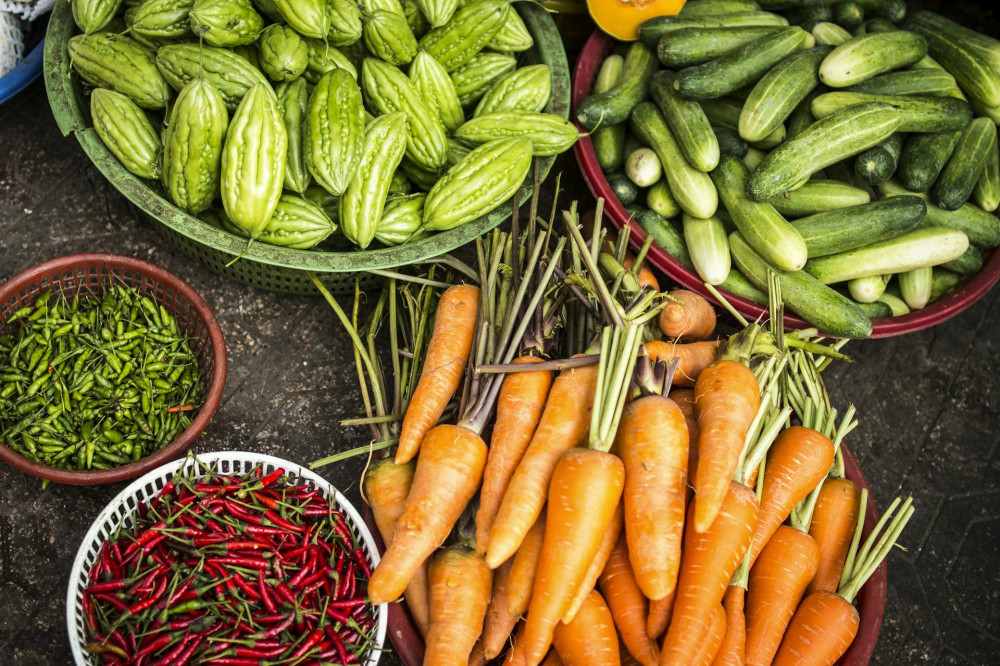
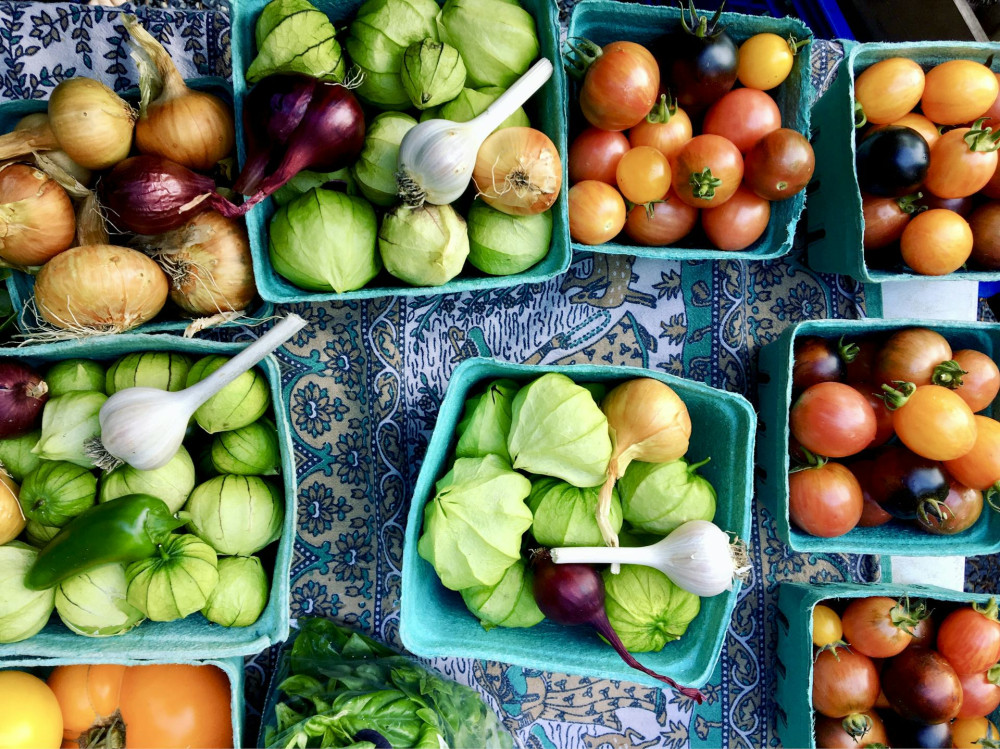
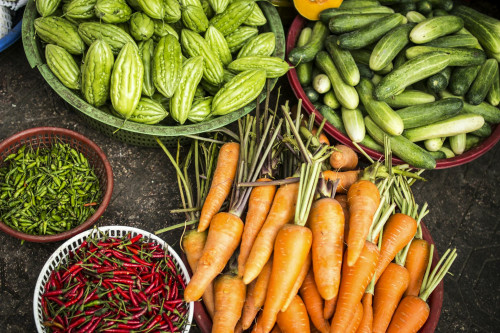
In the U.S., there is a growing appreciation for local and seasonal ingredients, for knowing where our food comes from, and for supporting small producers. The farm-to-table movement, for example, reflects a desire to reconnect with the land and the people behind our food. It’s also about rediscovering the joy of cooking from scratch – and sharing that process with others.
Food as Identity and Storytelling
What we eat says a lot about who we are. Our food choices reflect personal values and cultural roots. Some choose plant-based diets for environmental reasons; others preserve family recipes as a way to honor their heritage. In both cases, food becomes part of identity – a way of expressing what matters to us.
When we invite others to our table, we share a piece of ourselves. A meal can be an act of care, a celebration, or simply a moment of togetherness. This is where gastronomy transcends the plate – becoming a story about culture, connection, and humanity.
The Experience That Stays With Us
The best food experiences are rarely just about flavor. They are about atmosphere, company, and the moment itself. It might be a dinner with friends, a picnic in the park, or a quiet cup of coffee shared in silence. When food becomes an experience, it leaves an imprint – a memory we can return to again and again.
To think of gastronomy as an experience is to see food as more than sustenance. It is an invitation to live more mindfully, to use meals as a way to create joy, belonging, and meaning in everyday life.
Læs også: