Change the Cooking Method – and Give Your Recipe New Life

Change the Cooking Method – and Give Your Recipe New Life
Do you have a favorite dish you could make with your eyes closed—but that’s starting to feel a little too familiar? Sometimes, all it takes to bring new life to a recipe is changing how you cook it. Switching from pan-frying to baking, from boiling to steaming, or from oven to grill can completely transform flavor, texture, and even the mood of a meal. Here’s how experimenting with cooking methods can help you rediscover your go-to recipes.
From Skillet to Oven – A Deeper, Juicier Flavor
Many American classics—like meatloaf, chicken breasts, or veggie patties—are often cooked on the stovetop. Pan-frying gives a quick, crispy crust, but it can also dry out the food. Try baking instead. The oven’s even heat helps retain moisture and requires less oil, giving you a tender, flavorful result.
You can also combine methods: sear meat quickly in a hot skillet to develop color and flavor, then finish it in the oven. You’ll get the best of both worlds—crispy edges and juicy centers—without having to hover over the stove.
The Magic of the Grill – Smoke, Heat, and Character
Grilling isn’t just for summer cookouts. The smoky heat of a grill can add depth to everything from vegetables to seafood and even fruit. That touch of char and smoke creates complexity that’s hard to achieve indoors.
Try grilling halved eggplants, corn on the cob, or even pizza. The high heat caramelizes the surface and brings out natural sweetness. Toss some grilled veggies into a salad or pasta dish for a smoky twist that instantly elevates the flavor.
Steaming – The Underrated Technique
Steaming is often associated with healthy eating, but it’s also a great way to highlight the natural taste of your ingredients. When you steam vegetables, fish, or dumplings, you preserve color, texture, and nutrients. The result is light, clean, and fresh—perfect for when you want something simple yet satisfying.
You don’t need a fancy steamer, either. A pot with a little water and a metal strainer or steamer basket works just fine. Add herbs, lemon slices, or ginger to the water to infuse the steam with subtle aroma.
Slow Cooking – Patience That Pays Off
If you have the time, slow cooking can turn even the toughest cuts of meat or the simplest vegetables into something extraordinary. Low heat over several hours breaks down connective tissue and concentrates flavor. Whether you use an oven, Dutch oven, or slow cooker, the result is rich and comforting.
Try slow-roasting a beef chuck roast, making pulled pork, or letting a vegetable stew simmer all afternoon. The long, gentle cooking process creates depth and tenderness that quick methods can’t match—and your kitchen will smell amazing while it cooks.
Sous Vide – Precision and Perfection
Sous vide, where food is vacuum-sealed and cooked in a water bath at a precise temperature, has moved from restaurant kitchens into home cooking. It ensures that meat, fish, and vegetables cook evenly and stay perfectly tender.
It takes a bit of equipment, but the payoff is worth it: chicken breasts that stay juicy, salmon that melts in your mouth, or vegetables that retain their bite. After cooking, give the food a quick sear in a hot pan for that golden crust and extra flavor.
Læs også:
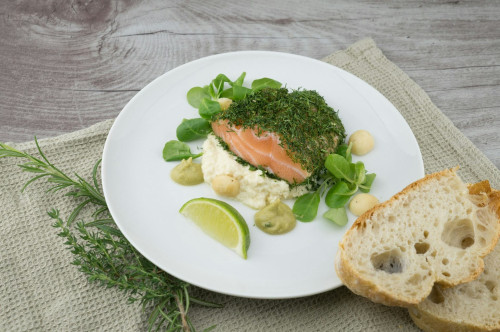

Change the Method – Create Variety
Changing your cooking method isn’t just about technique—it’s about breaking habits. When you try something new, you often discover that a familiar dish can taste completely different, even with the same ingredients. A roasted tomato soup has a deeper sweetness than a boiled one, and a grilled chicken salad gains a smoky edge that makes it more exciting.
Start small: steam instead of boil, bake instead of fry, or fire up the grill in the middle of winter. It’s an easy way to refresh your cooking without needing a brand-new recipe.
Cooking as Play and Discovery
Experimenting with cooking methods teaches you how heat, time, and moisture affect food. You’ll become a more intuitive cook—able to adjust and improvise as you go. You’ll understand why a roast dries out or why vegetables lose their color, and you’ll know how to fix it.
Cooking becomes more fun when you treat it as a creative experiment. And who knows? You might find that your old favorite dish feels brand new—just because you decided to cook it a different way.
Læs også: