The Funeral as a Shared Farewell and a Central Part of the Grieving Process

The Funeral as a Shared Farewell and a Central Part of the Grieving Process
When someone dies, those left behind face both emotional and practical challenges. In the midst of grief, decisions must be made about the funeral, the ceremony, and how to say goodbye. It can feel overwhelming, yet the funeral plays a vital role in the grieving process. It offers a space to honor the deceased, share memories, and find comfort in the presence of others.
A Framework for Farewell and Meaning
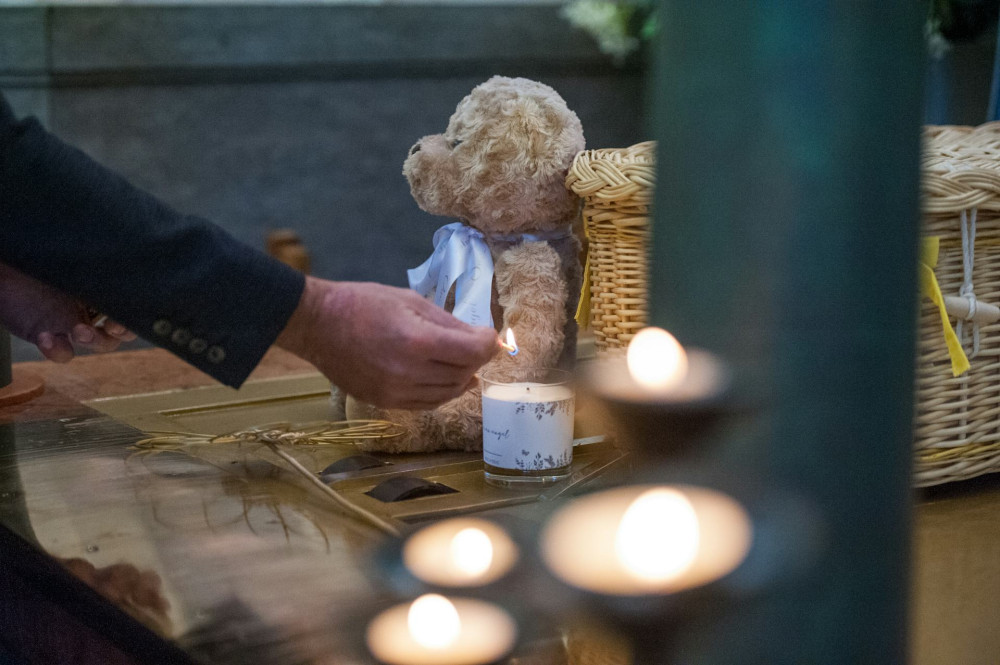
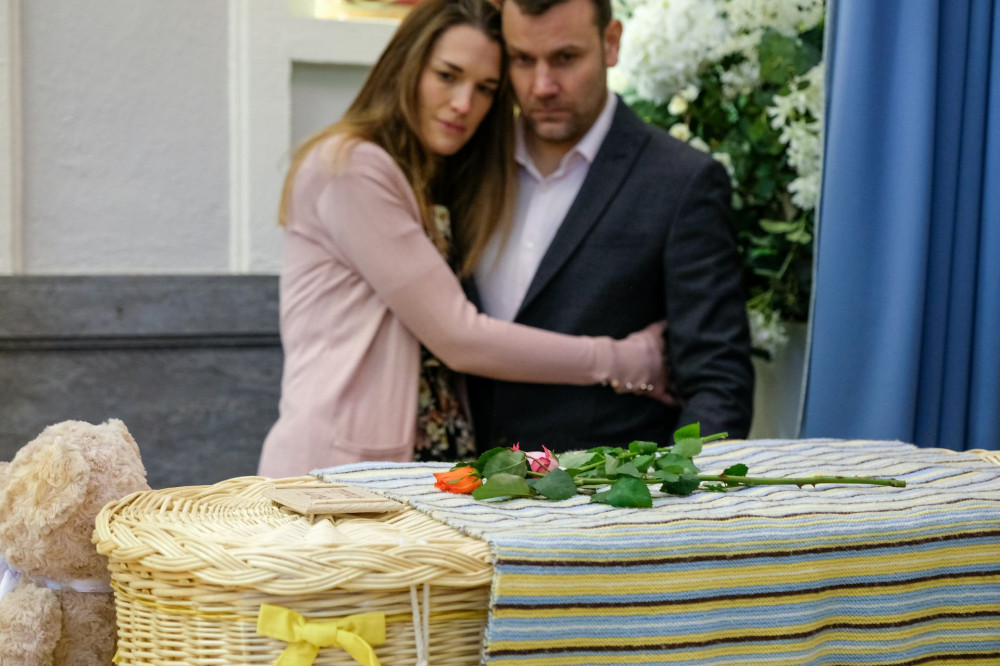
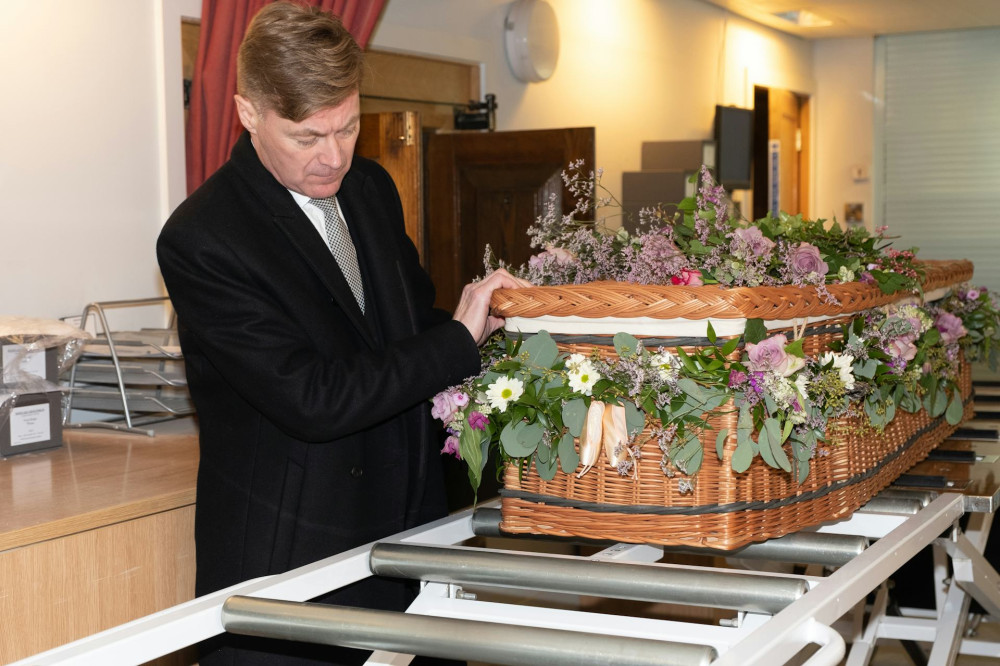
A funeral is more than a formal event—it is a ritual that helps us confront and make sense of loss. Gathering around the casket or urn makes death tangible. That confrontation can be painful, but it also opens the door to healing.
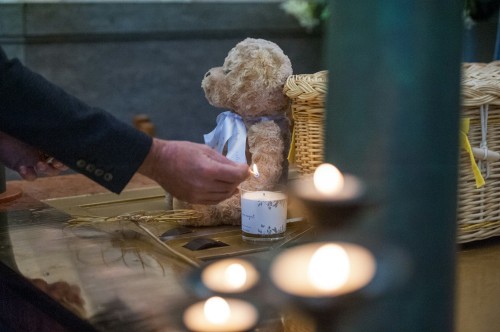
Rituals provide structure when life feels chaotic. Through prayers, music, readings, or personal tributes, mourners can express their emotions in ways that feel authentic and meaningful. Whether the service takes place in a church, a funeral home, or outdoors, the shared moment marks a transition—from life to death, and from shock toward acceptance.
Læs også:

The Power of Community
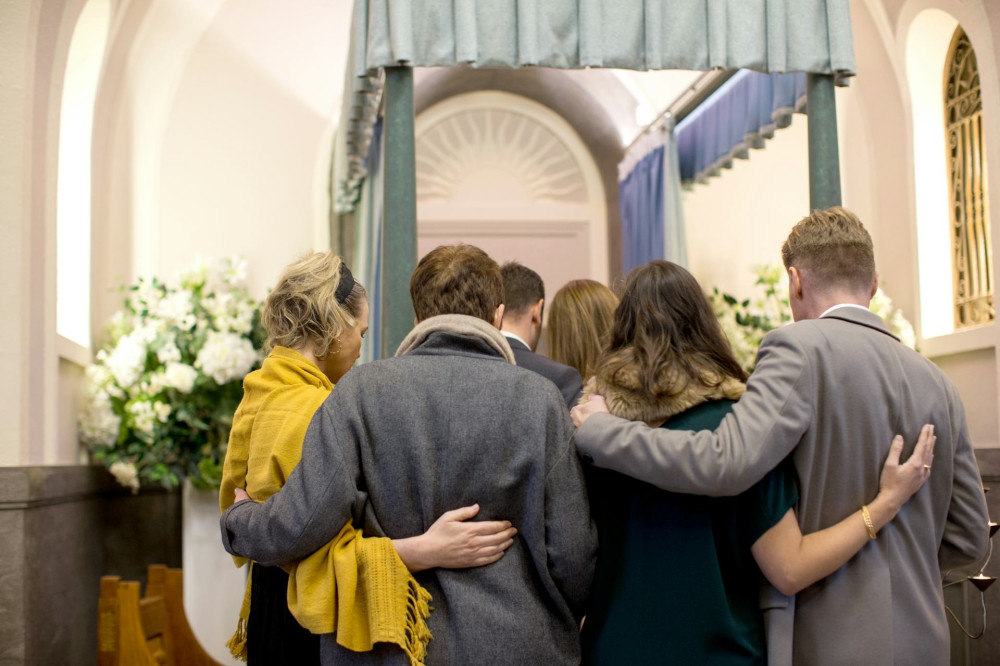
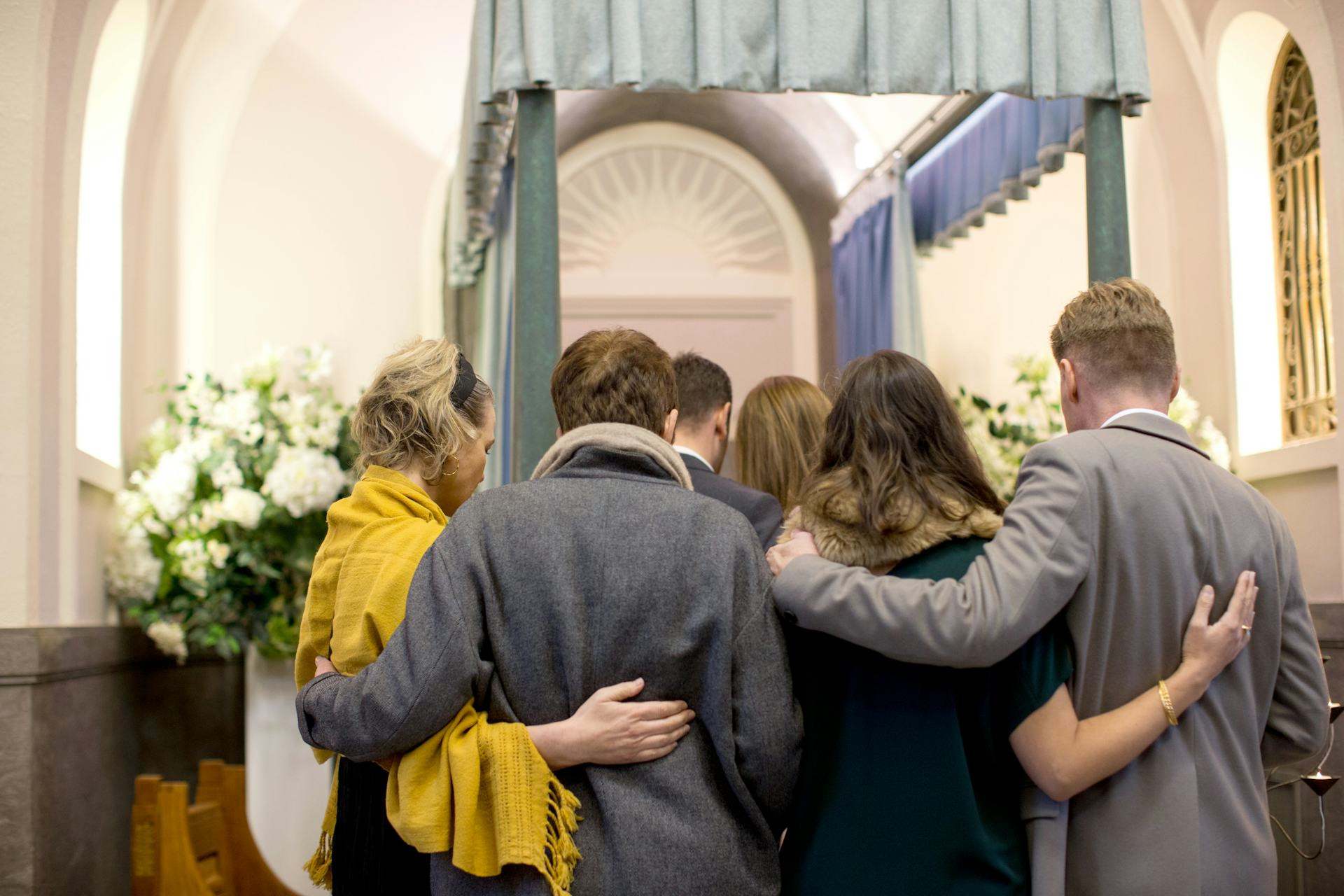
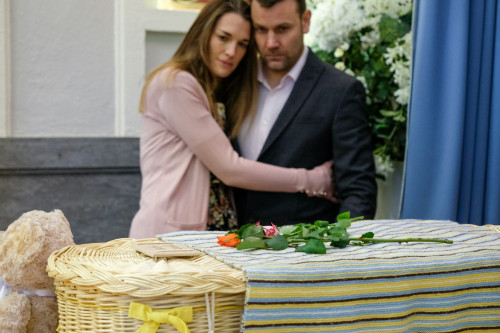
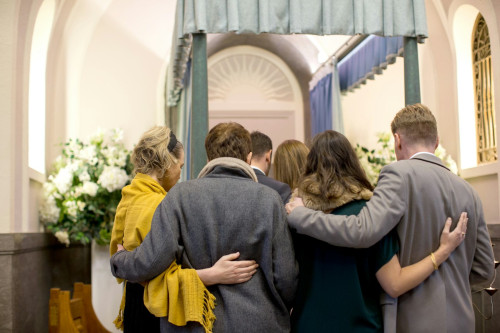
Grief can be isolating, but a funeral reminds us that we are not alone. When family, friends, neighbors, and colleagues gather, a community forms around the person who has passed. Seeing how many lives were touched by the deceased can bring comfort and strength.
The quiet conversations before and after the service, the embraces, the shared stories—all of these small gestures help ease the burden of loss. In coming together, mourners share not only their sorrow but also their love and gratitude for the life that was lived.
Traditions and Personal Choices
In the United States today, funerals take many forms. Some families choose a traditional religious service, while others prefer a secular or more informal gathering. Cremation, green burials, and celebrations of life have become increasingly common, reflecting a desire for ceremonies that feel personal and true to the individual.
What matters most is that the farewell feels right for those closest to the deceased. Choices such as favorite songs, meaningful readings, photographs, or a special location can make the ceremony deeply personal. Even small details can create a sense of connection and presence amid the sorrow.
The Funeral as the Beginning of Grief’s Journey
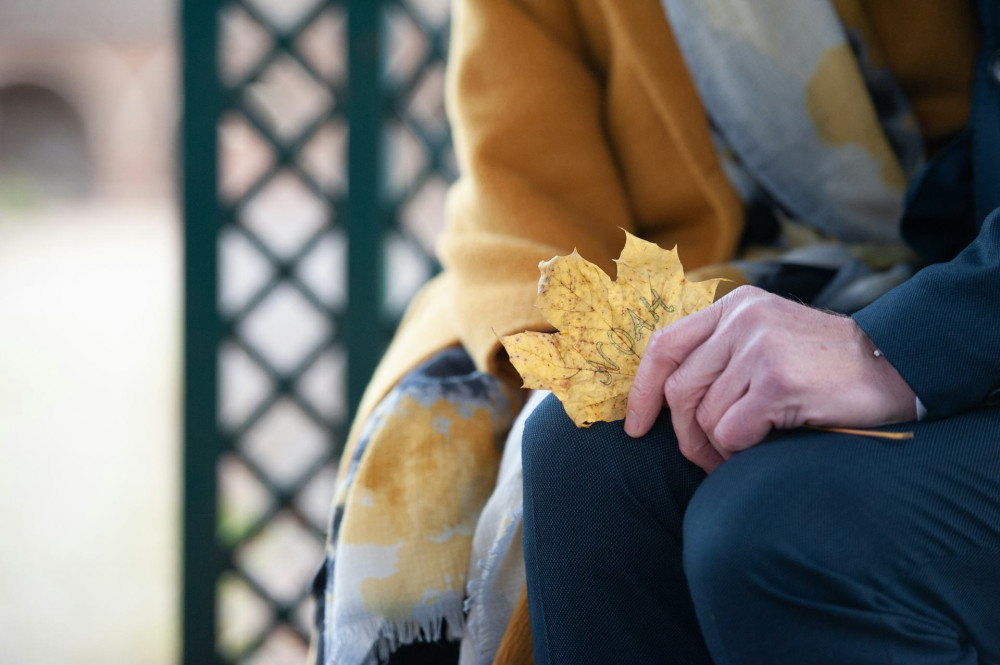
Although a funeral marks a goodbye, it also signals the beginning of the longer journey through grief. Many people find that the reality of loss settles in only after the ceremony is over. Yet having had the chance to say farewell can provide a foundation for healing in the days and months that follow.
A meaningful funeral can help transform pain into remembrance. It becomes a moment to return to—a time when love and loss were shared openly, and when the community came together to honor a life.
Finding Peace in Ritual
Across cultures and faiths, people have always marked death through ritual. These acts help bring order to the chaos of loss and give shape to emotions that might otherwise feel overwhelming.
A funeral, then, is not only a tradition but a human necessity. It allows us to honor the life that has ended while making space for life to continue. In saying goodbye together, we affirm that love endures—and that memory keeps the departed close, even as we move forward.
Læs også: