Funeral Directors Between Tradition and Renewal: New Paths to Personal Farewells
Funeral Directors Between Tradition and Renewal: New Paths to Personal Farewells
When a loved one passes away, families face one of life’s most profound and emotional tasks: saying goodbye. In the United States, funeral directors have long guided families through this process, often following well-established customs. Yet as society changes, so too do our ways of honoring the dead. New values, lifestyles, and cultural influences are reshaping the funeral profession, opening space for more personal, creative, and meaningful farewells.
From Fixed Rituals to Personal Choices
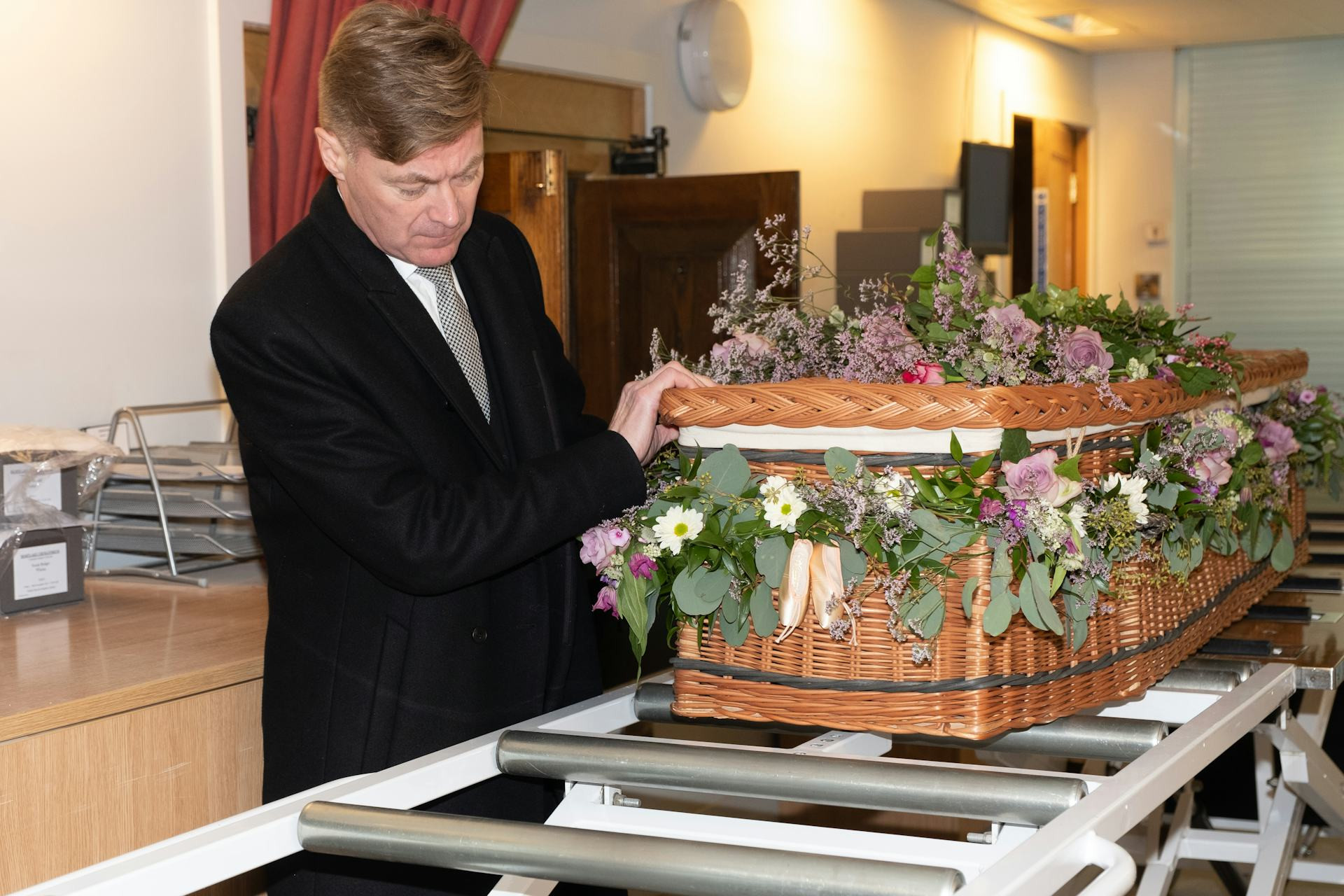
For generations, American funerals followed familiar patterns: a church service, formal attire, and a graveside committal. Today, many families want something that reflects the individuality of the person they’ve lost. That might mean a celebration of life in a favorite park, a gathering at home, or a ceremony filled with the deceased’s favorite music and colors.
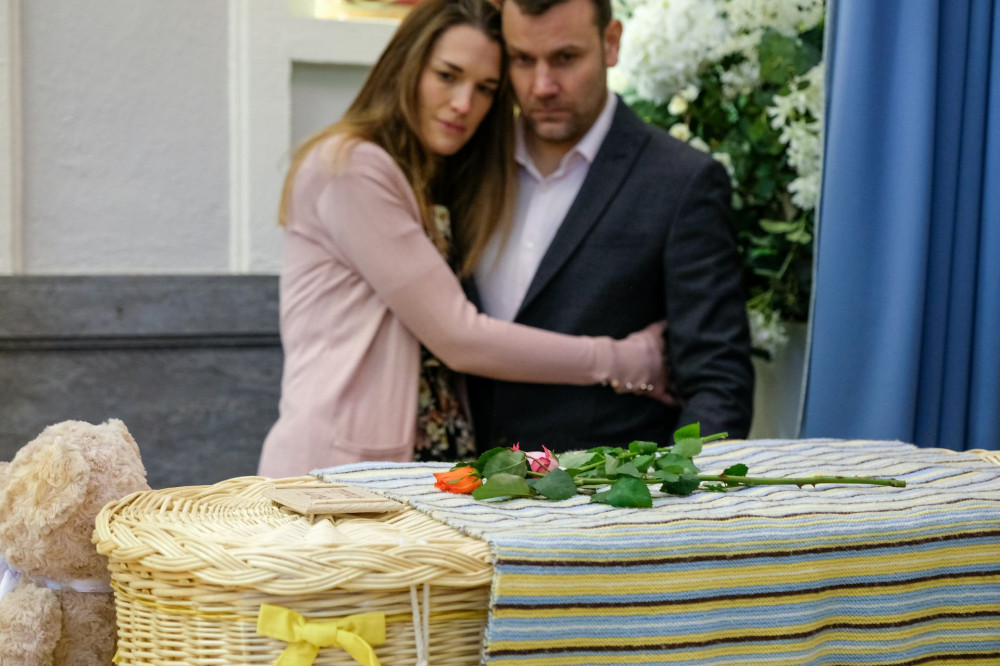
Funeral directors are adapting to these changing expectations. Once seen primarily as logistical coordinators, many now act as guides and collaborators, helping families design ceremonies that feel authentic and healing. Their role is to balance tradition with innovation—to preserve what brings comfort while making room for what feels true to the person being remembered.
Emerging Trends: Sustainability and Storytelling
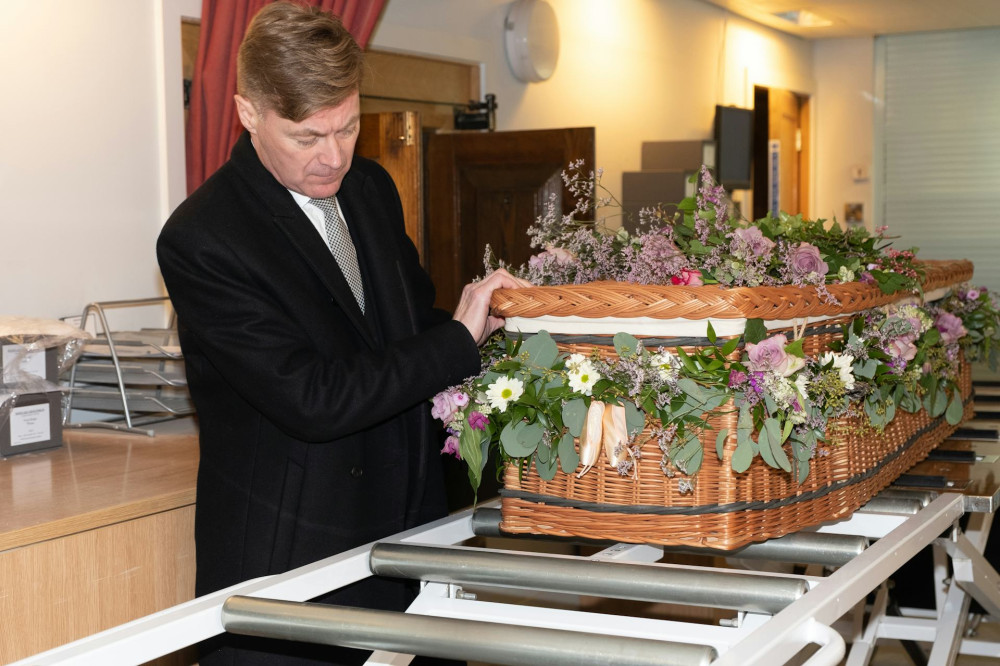
One of the strongest trends in recent years is the move toward sustainability. Green burials, biodegradable caskets, and natural cemeteries are becoming more common as families seek environmentally responsible options. Some funeral homes now specialize in eco-friendly services, offering everything from locally sourced flowers to carbon-neutral cremations.
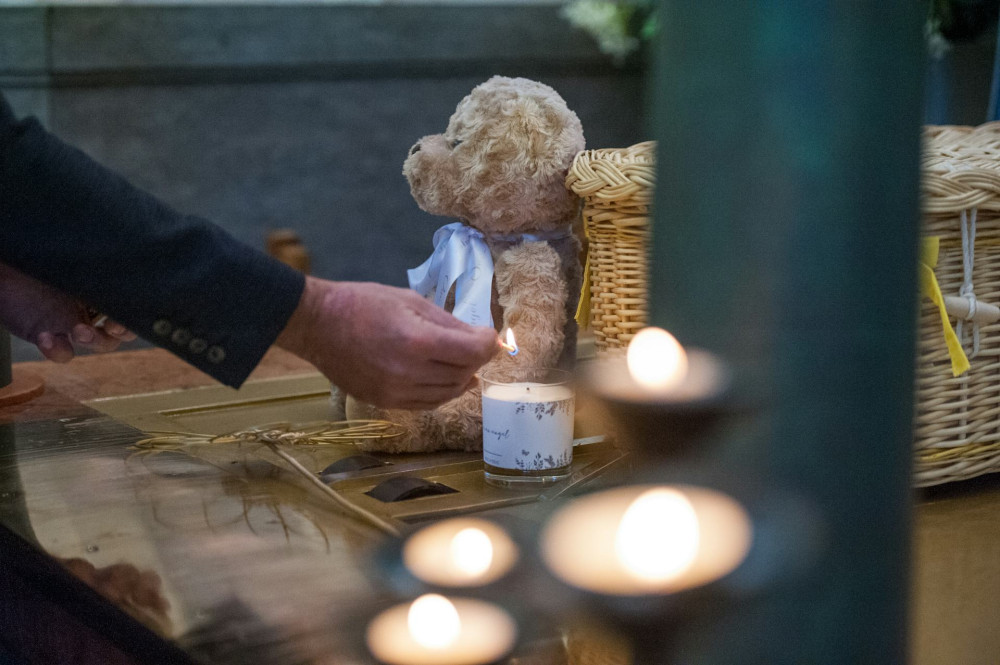
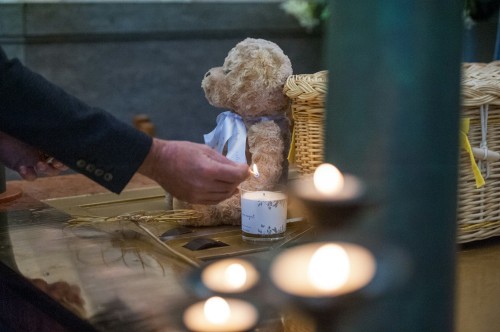
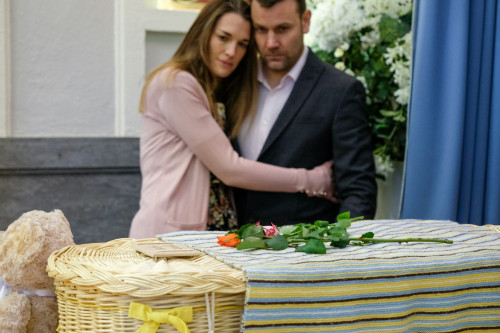
At the same time, storytelling has become central to the modern farewell. Families use photos, videos, and personal mementos to create ceremonies that tell a life story rather than simply mark a death. A favorite song, a slideshow of memories, or a display of cherished objects can transform a service into a deeply personal tribute.
The Changing Role of the Funeral Director
The funeral director’s role is evolving from that of a formal professional to that of a compassionate facilitator. Many now meet families in their homes or online, taking time to understand their values, beliefs, and wishes. Some collaborate with celebrants, grief counselors, or spiritual leaders to create holistic experiences that address both the practical and emotional aspects of loss.
The profession itself is also diversifying. More women and younger professionals are entering the field, bringing new perspectives and approaches. This shift has helped make funeral homes more open, inclusive, and responsive to the varied needs of today’s families.
Digital Farewells and Online Memorials
Technology has transformed how we remember and connect. Many funeral homes now offer live-streamed services, allowing distant relatives and friends to participate from anywhere in the world. Online memorial pages have become digital gathering places where people can share stories, photos, and condolences long after the ceremony ends.
Social media has also changed the landscape of mourning. Obituaries are shared online, and memorial posts can reach wide networks of friends and acquaintances. Funeral directors increasingly help families navigate these digital spaces, ensuring that online tributes are handled with care and respect.
Tradition Endures—In New Forms
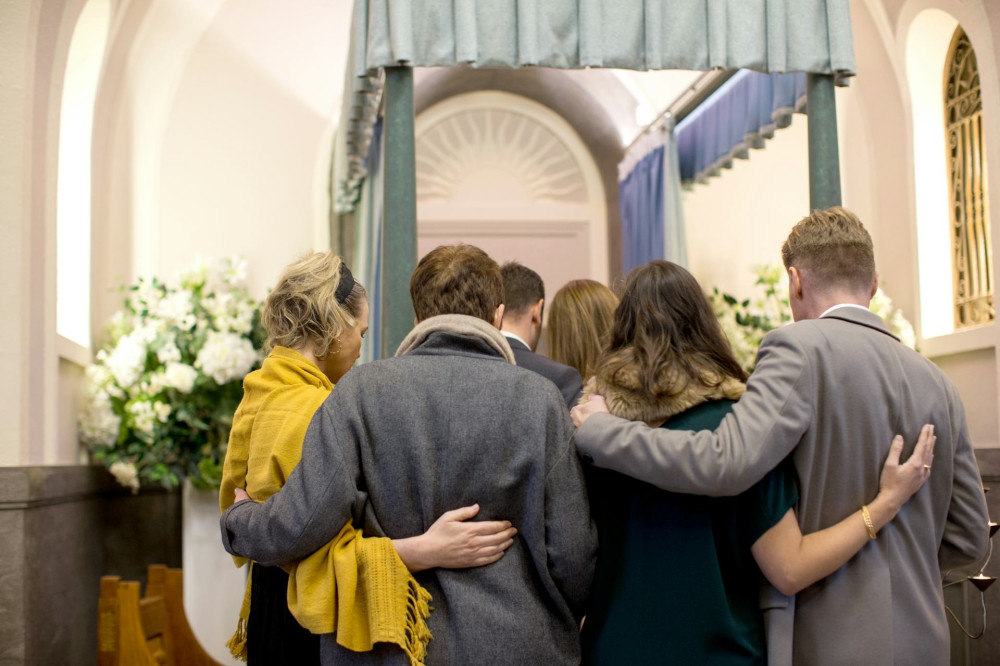
Despite all the innovation, tradition still holds deep meaning. Rituals, prayers, and familiar symbols provide comfort and continuity in times of loss. The goal of renewal is not to replace these customs but to reinterpret them—to make them relevant to each family’s story.
In this balance between the old and the new, funeral directors find their modern purpose. They help families create farewells that honor the past while embracing the present, blending reverence with individuality.
Læs også:
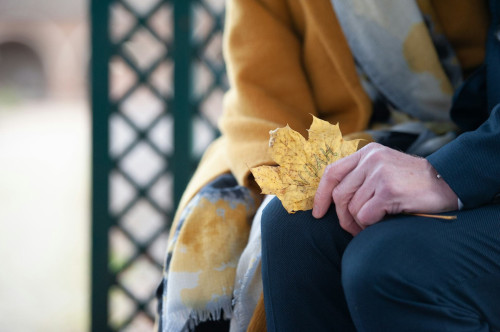
A New Understanding of Farewell
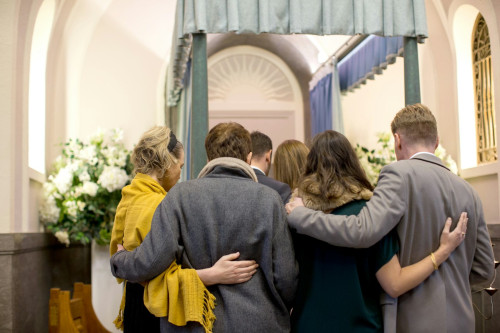
Saying goodbye is not only about ceremony—it’s about meaning. Increasingly, funeral professionals speak of “celebrations of life” rather than “funeral services.” The focus is shifting from mourning a death to honoring a life, from formality to authenticity.
In a time when many people seek connection and sincerity, the funeral director’s role as a compassionate guide is more vital than ever. No matter how customs evolve, the need to say farewell with dignity, love, and humanity remains timeless.
Læs også: