From Church to Chapel: The Evolution of Secular Funerals Over Time
From Church to Chapel: The Evolution of Secular Funerals Over Time
Funerals have always been among life’s most meaningful rituals—a moment when community, belief, and tradition converge. In the United States, the Christian funeral service long stood as the dominant form of farewell. Yet as American society has grown more diverse and secular, more families have sought ways to honor their loved ones outside traditional religious frameworks. From early humanist memorials in the 19th century to today’s personalized celebrations of life, the evolution of secular funerals reflects a broader cultural shift toward individual expression and freedom of choice.
The First Secular Funerals – A Break from Tradition
In the 1800s, most Americans were buried according to the customs of their church. The local pastor or priest led the service, and the cemetery was often church-owned. But as new philosophical and social movements took root—especially among freethinkers, Unitarians, and later humanists—some began to question whether faith-based rituals were the only way to say goodbye.
The first secular funerals in the U.S. were modest and often controversial. Families who chose a nonreligious ceremony sometimes faced criticism from their communities. Without clergy to lead the service, relatives or friends would speak, read poetry, or share memories. These early ceremonies were acts of quiet rebellion, asserting that meaning and dignity could exist outside the church.
From Churchyard to Chapel – Creating New Spaces for Farewell
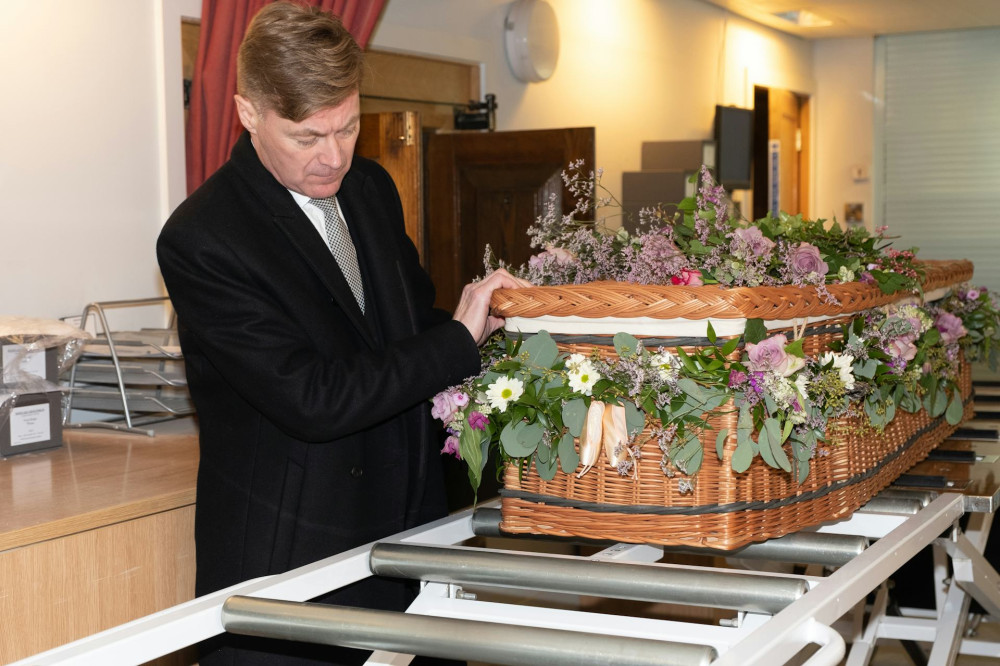
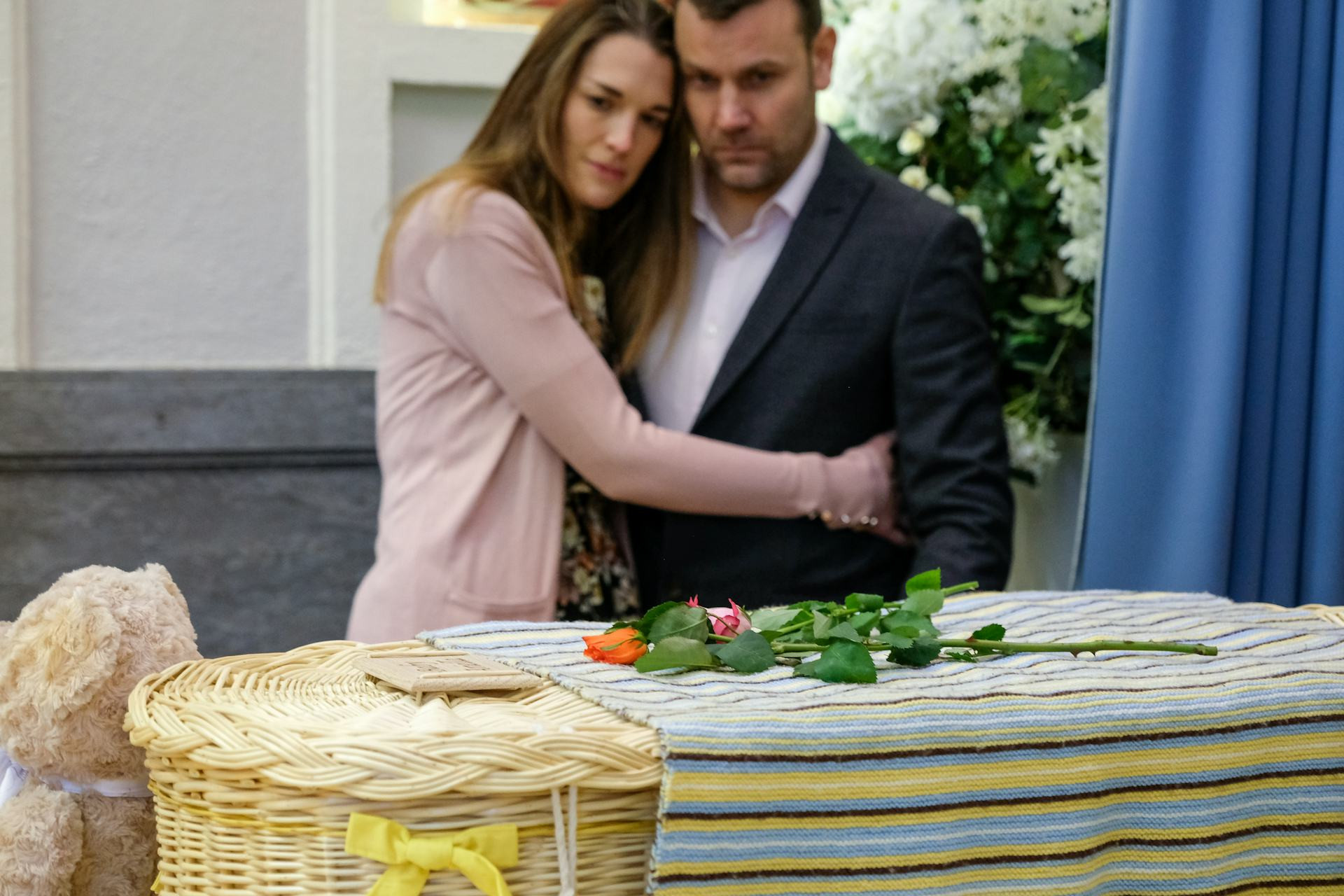
As cities expanded and public cemeteries replaced churchyards, new spaces emerged for nonreligious ceremonies. By the late 19th and early 20th centuries, funeral homes and municipal chapels began offering neutral venues where families could gather without religious affiliation. These chapels became symbols of a changing era—places where the focus shifted from doctrine to remembrance.
In these settings, music, personal tributes, and readings replaced sermons and scripture. Families could choose songs, poems, or reflections that spoke to the life of the deceased rather than to a particular faith. What began as a practical alternative gradually became a meaningful tradition in its own right.
Personalization and the Rise of the “Celebration of Life”
By the mid-20th century, as American culture emphasized individuality and self-expression, funerals began to change again. The “celebration of life” emerged as a distinctly modern concept—one that focused less on mourning and more on honoring the person’s story, passions, and relationships. Funeral directors and celebrants started to specialize in crafting ceremonies that reflected the unique character of the deceased.
In the 1970s and 1980s, humanist and secular organizations began offering guidance for families seeking nonreligious services. These groups helped normalize the idea that rituals need not be religious to be meaningful. Today, a secular funeral might take place in a funeral home, a park, a community center, or even a family backyard. The ceremony might include live music, storytelling, or a slideshow of memories—each element chosen to reflect the life being remembered.
Læs også:
Modern Trends – Freedom, Technology, and Connection
In the 21st century, the boundaries between religious and secular farewells have become increasingly fluid. Many families blend elements from different traditions, creating hybrid ceremonies that feel authentic to their values. For some, a minister may still offer a prayer; for others, a friend might lead a moment of reflection or silence.
Technology has also transformed how Americans mourn. Livestreamed services, online memorial pages, and digital guestbooks allow loved ones to participate from afar. Social media has become a space for collective remembrance, where stories and photos keep the memory of the deceased alive long after the ceremony ends.
From Shared Ritual to Personal Story
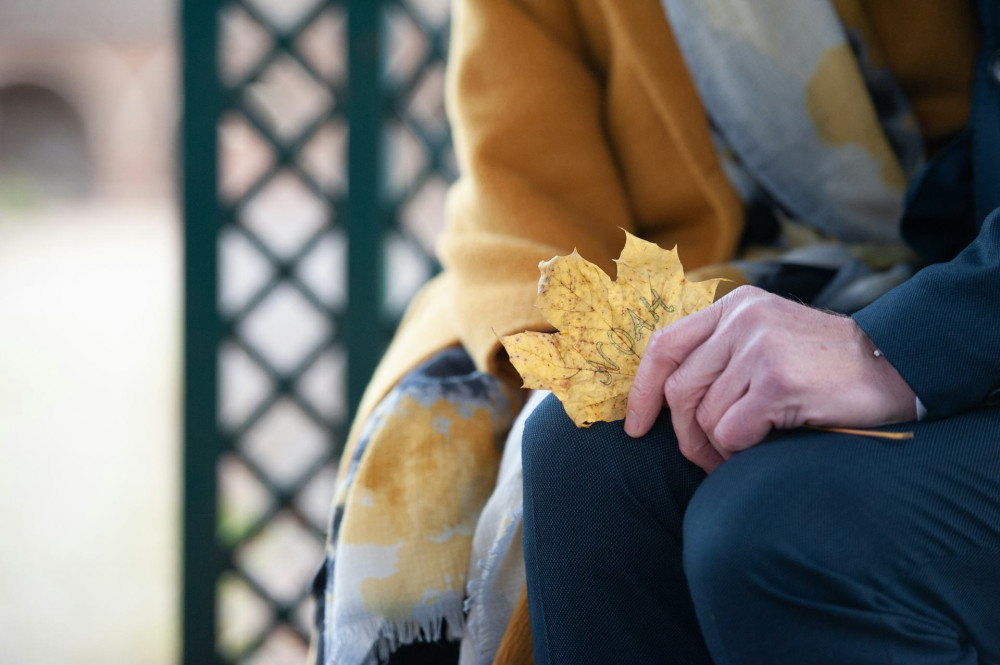
The journey from church to chapel—and beyond—tells the story of a society redefining its relationship with death and meaning. Where funerals were once bound by religious convention, they are now opportunities for storytelling, creativity, and connection. The secular funeral is not a rejection of tradition but an evolution of it—an affirmation that remembrance can take many forms.
In the end, whether held in a chapel, a garden, or a living room, the purpose remains the same: to gather, to remember, and to say goodbye in a way that feels true to the life that was lived.
Læs også: