The Future of Automation: More Personal and Intuitive Than Ever

The Future of Automation: More Personal and Intuitive Than Ever
For decades, automation has been associated with assembly lines, industrial robots, and efficiency. But today, technology is moving in a new direction—away from the mechanical and toward the human. The future of automation isn’t just about saving time; it’s about creating experiences that adapt to our needs, habits, and emotions.
From Machines to Partners
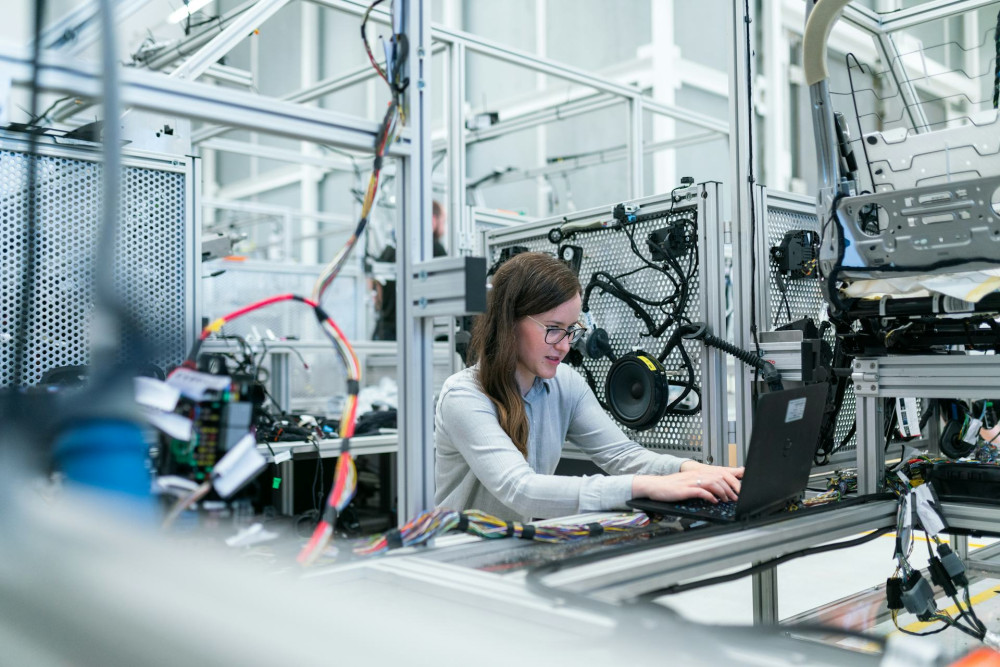
In the past, automation was about replacing human labor. Now, it’s increasingly about collaboration. The latest generation of intelligent systems—from voice-activated assistants to adaptive software—are designed to understand and support us, not just follow commands.
At home, this means technology is becoming more personal and less intrusive. Your thermostat learns your daily routine. Lighting adjusts to your mood. Your fridge can suggest recipes based on what’s inside. Automation is blending seamlessly into everyday life—not as a loud machine, but as a quiet helper in the background.
Læs også:

Artificial Intelligence as a Personal Assistant
At the heart of this new wave of automation is artificial intelligence. AI enables systems to learn from our behavior and anticipate what we need before we even ask. It might suggest the fastest route to work, remind you to stretch after hours at your desk, or help you manage your schedule more effectively.
In the workplace, automation is no longer just about productivity—it’s about well-being. Digital assistants can help employees prioritize tasks, reduce stress, and maintain a healthier work-life balance. For American companies navigating hybrid work and burnout, this shift toward supportive automation could be transformative.
Intuitive Design and Human Understanding
One of the biggest challenges in automation has always been user experience. If technology feels complicated or impersonal, it loses its value. That’s why we’re seeing a shift toward more intuitive design—where systems adapt to people, not the other way around.
The goal is to make technology feel natural. Voice commands, gesture recognition, and contextual awareness allow us to interact with systems the same way we communicate with each other. The future of automation isn’t just intelligent—it’s empathetic.
Ethics, Privacy, and Trust
As technology becomes more personal, new ethical questions arise. How much should a digital assistant know about us to be truly helpful? And how do we ensure that our data is used responsibly?
Transparency and trust will be essential. U.S. companies developing automated solutions must prioritize ethical design from the start—with clear boundaries on what technology can and cannot do. Only then can automation become a trusted and comfortable part of our lives.
A Future with Humans at the Center
The next chapter of automation isn’t about making people obsolete—it’s about freeing us to focus on what we do best: creativity, empathy, and innovation. When machines handle the repetitive tasks, we gain time for the meaningful ones.
The future of automation will therefore be not only more efficient but also more human. It will understand us, adapt to us, and help us live smarter, healthier, and more balanced lives.
Læs også: