Listen to Your Hair – and Give It the Care It Truly Needs

Listen to Your Hair – and Give It the Care It Truly Needs
Your hair says more about you than you might think. It reflects your health, your habits, and even your environment. Dry, frizzy, or oily hair isn’t just about the products you use—it’s also about how you live and what your hair is trying to tell you. Listening to your hair means understanding its signals and giving it what it truly needs, not just what’s trending on social media or the latest shampoo label.
Know What Your Hair Needs
Before you can care for your hair properly, you need to know it. Hair types vary in texture, thickness, and porosity—how easily your hair absorbs and retains moisture.
- Dry hair feels rough and lacks shine. It needs moisture and nourishment, often from oils, hydrating masks, or leave-in conditioners.
- Oily hair gets greasy quickly and can look flat. The goal is balance—don’t strip your scalp of natural oils, but help regulate oil production with gentle cleansing.
- Curly or frizzy hair tends to be more fragile and needs extra hydration and gentle handling to prevent breakage.
- Color-treated or chemically processed hair requires special care to maintain strength and vibrancy.
A good rule of thumb is to observe how your hair reacts to different products and routines. If it feels heavy, dull, or lifeless, it’s time to adjust your care.
Wash with Intention
Many Americans wash their hair too often—and with water that’s too hot. Overwashing can strip away the natural oils that protect your scalp and strands. For most people, washing two to three times a week is enough. Use a mild, sulfate-free shampoo and gently massage your scalp to boost circulation.
Finish with cool water to help seal the hair cuticle and add shine. And don’t skip conditioner—it’s not just for long hair. Conditioner helps lock in moisture and protect against damage, no matter your hair length.
Læs også:

Nourish from the Inside Out
Healthy hair starts with what you eat and drink. Hair is made mostly of keratin, a protein, so your diet plays a major role. Make sure you’re getting enough protein, iron, zinc, and omega-3 fatty acids—found in foods like fish, eggs, nuts, and leafy greens.
Hydration is just as important. Dehydration can make hair dry and brittle, so keep your water bottle close throughout the day. If you notice sudden hair loss or a big change in texture, it could be a sign of an underlying health issue—something worth discussing with your doctor.
Protect Your Hair Every Day
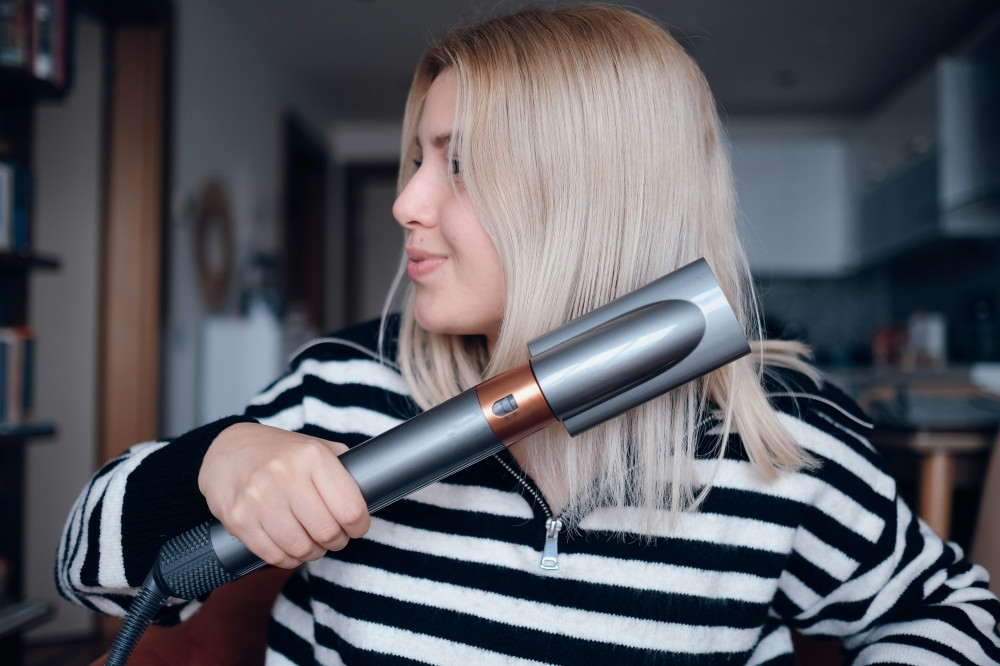
Daily habits have a huge impact on your hair’s health. Heat from blow dryers, straighteners, and curling irons can cause long-term damage. Always use a heat protectant, and let your hair air-dry whenever possible.
Avoid brushing wet hair aggressively—it’s at its weakest when wet. Instead, use a wide-tooth comb or your fingers to gently detangle. And be mindful of tight hairstyles like ponytails or braids, which can strain your roots if worn too often.
Adjust with the Seasons
Your hair reacts to the climate around you. In winter, cold air and indoor heating can dry it out, while summer sun, chlorine, and saltwater can fade color and cause brittleness. Adjust your routine as the seasons change:
- Winter: Use deep-conditioning masks and limit heat styling.
- Summer: Protect your hair from UV rays and saltwater with leave-in products or a hat.
- Spring and fall: Treat your hair to a restorative mask or strengthening treatment to recover from seasonal stress.
Listen—and Respond
Listening to your hair means paying attention. If it suddenly feels different, it’s sending you a message. Maybe your diet changed, stress levels rose, or a new product isn’t working for you. Small adjustments can make a big difference.
The key is to find a routine that feels natural and sustainable for you. Hair care shouldn’t be a chore—it’s a way to care for yourself, with respect for both your body and the environment. When you truly listen to your hair, it will thank you by looking and feeling its best.
Læs også: