Give Your Old Furniture New Life with Paint and Stylish Details


Give Your Old Furniture New Life with Paint and Stylish Details
Old furniture often has a charm and craftsmanship that modern pieces can’t quite match. But scratches, faded finishes, and worn edges can make them look tired and outdated. Luckily, with a bit of paint, creativity, and patience, you can transform even the most neglected piece into something fresh and full of personality. Here’s how to give your old furniture new life with paint and stylish details.
Preparation Is Key
A beautiful result always starts with good preparation. Before you open the paint can, make sure your furniture is ready for its makeover.
- Clean thoroughly – Remove dust, grease, and grime with a mild soap solution. For wood, a gentle wood cleaner can help lift stubborn dirt.
- Sand the surface – Lightly sand to remove any gloss and help the paint adhere better. Use medium-grit sandpaper (120–180) and wipe away the dust afterward.
- Repair imperfections – Fill cracks or holes with wood filler, then sand smooth once dry.
- Prime if needed – If you’re painting a dark piece a lighter color, or working with a slick surface, a primer will ensure even coverage and durability.
It may seem like a lot of steps, but careful prep work makes all the difference in how your finished piece looks and lasts.
Choose the Right Paint and Color
The type of paint you choose depends on both the material and the look you want.
- Wood furniture: Use a durable latex or acrylic paint designed for wood surfaces.
- Metal pieces: Choose a paint formulated for metal, and start with a rust-inhibiting primer.
- Previously finished surfaces: A bonding primer helps new paint stick to glossy or lacquered finishes.
When it comes to color, the possibilities are endless. Crisp whites and soft grays create a timeless look, while bold shades like navy, forest green, or terracotta add warmth and character. You can also paint just part of the piece—like the legs, drawers, or top—for a modern, playful touch.
Læs også:




Add Personality with Details
It’s the small details that make a piece truly your own. Once the base coat is done, consider adding creative touches:
- New hardware – Swap out old knobs or pulls for brass, ceramic, or leather ones to instantly update the look.
- Decorative patterns – Use painter’s tape to create geometric designs, or try stencils for a more artistic effect.
- Distressing – For a vintage or farmhouse feel, lightly sand edges and corners after the paint dries to let a bit of the wood show through.
- Wallpaper or fabric accents – Line drawer fronts or the back of a bookcase with patterned paper or fabric for a fun surprise.
These finishing touches can turn an ordinary piece into a statement that reflects your personal style.
Painting Step by Step
When you’re ready to paint, take your time and enjoy the process.
- Stir the paint well for an even color.
- Use a quality brush or small roller suited to your surface.
- Apply thin, even coats—two or three light layers are better than one thick one.
- Let each coat dry completely before adding the next.
- Finish with a clear protective topcoat if the piece will get heavy use.
A steady pace and attention to detail will give you a smooth, professional-looking finish—and make the project more enjoyable.
Rethink the Furniture’s Purpose
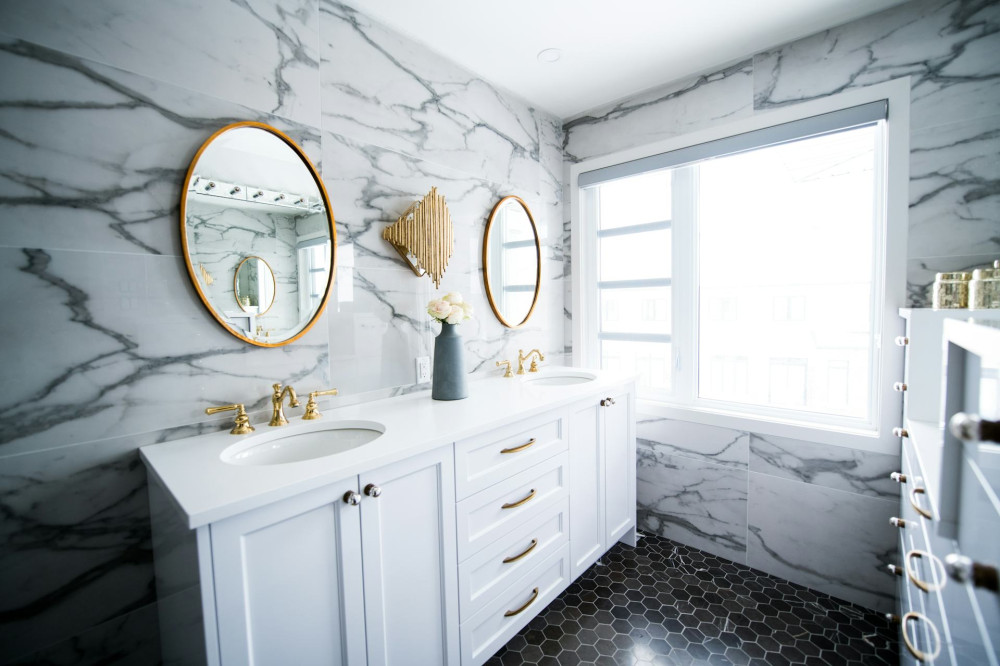
While you’re at it, think creatively about how the piece could serve a new function. A dresser can become a bathroom vanity, a dining table can turn into a home office desk, or a single chair can make a charming accent in an entryway. Repurposing furniture not only saves money but also gives your home a unique, personalized touch.
A Sustainable and Rewarding Project
Reviving old furniture isn’t just about style—it’s also a sustainable choice. By reusing what you already have, you reduce waste and conserve resources. Plus, you end up with a piece that carries history and meaning, made even more special by your own handiwork.
So next time you’re tempted to toss out an old chair or table, take a second look. With a little paint, imagination, and care, you can turn it into something beautiful that you’ll love for years to come.
Læs også: