Functional Training That Strengthens Your Body for Everyday Movements

Functional Training That Strengthens Your Body for Everyday Movements
Functional training has become a buzzword in the fitness world—and for good reason. Instead of isolating individual muscles, functional training focuses on strengthening your body for the movements you perform every day. That might mean lifting grocery bags, carrying your kids, getting up from a chair, or climbing stairs. The goal is a strong, flexible, and balanced body that moves efficiently in daily life.
What Is Functional Training?
Functional training is built around natural movement patterns that engage multiple muscle groups at once. The exercises mimic real-life actions and help improve strength, coordination, and joint stability.
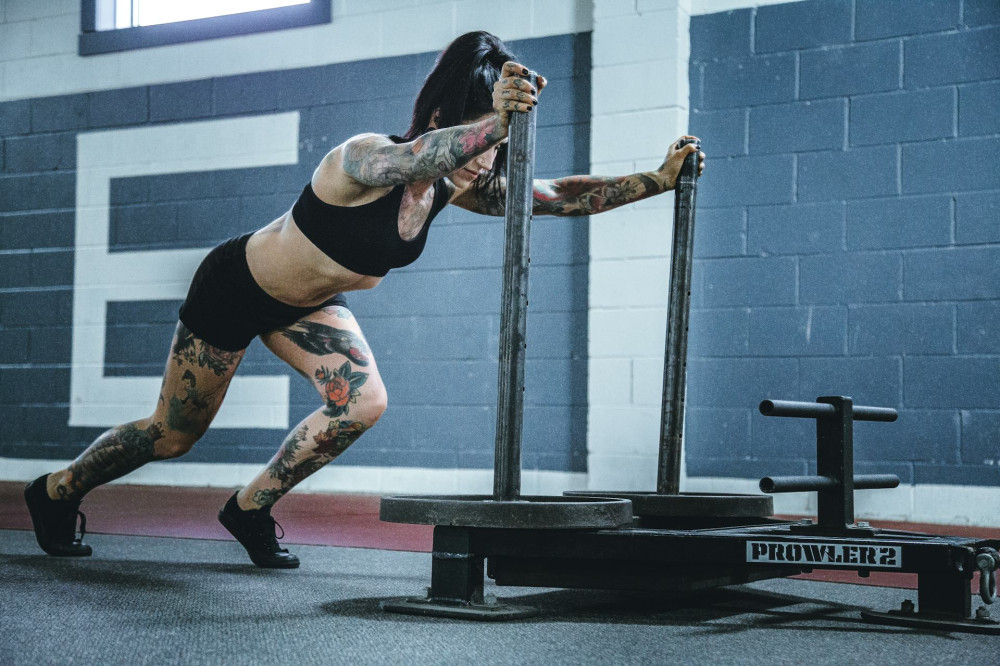
Rather than sitting in a machine that targets one muscle at a time, you use your own body weight, dumbbells, resistance bands, or kettlebells to perform movements like lifting, pushing, pulling, and rotating. This makes your workouts more dynamic and directly applicable to everyday activities.
The Benefits of Functional Training
Functional training offers a wide range of benefits for your strength, balance, and overall well-being.
- Improved body control: You learn to move as one unit, enhancing coordination and stability.
- Injury prevention: Strengthening the muscles you use daily helps reduce the risk of strain and poor movement patterns.
- Increased strength and endurance: Functional exercises challenge both your muscles and cardiovascular system, giving you an efficient full-body workout.
- More energy for daily life: A functionally strong body makes it easier to handle everyday tasks without fatigue or discomfort.
In short, you’re not just training to look strong—you’re training to be strong in real life.
Læs også:

Examples of Functional Exercises
You don’t need fancy equipment to get started. Many functional exercises can be done at home, at the gym, or even outdoors.
- Squats: Strengthen your legs and glutes while mimicking the motion of sitting and standing.
- Lunges: Build leg strength and balance, making it easier to climb stairs or carry loads.
- Planks: Engage your entire core and improve stability through your back and midsection.
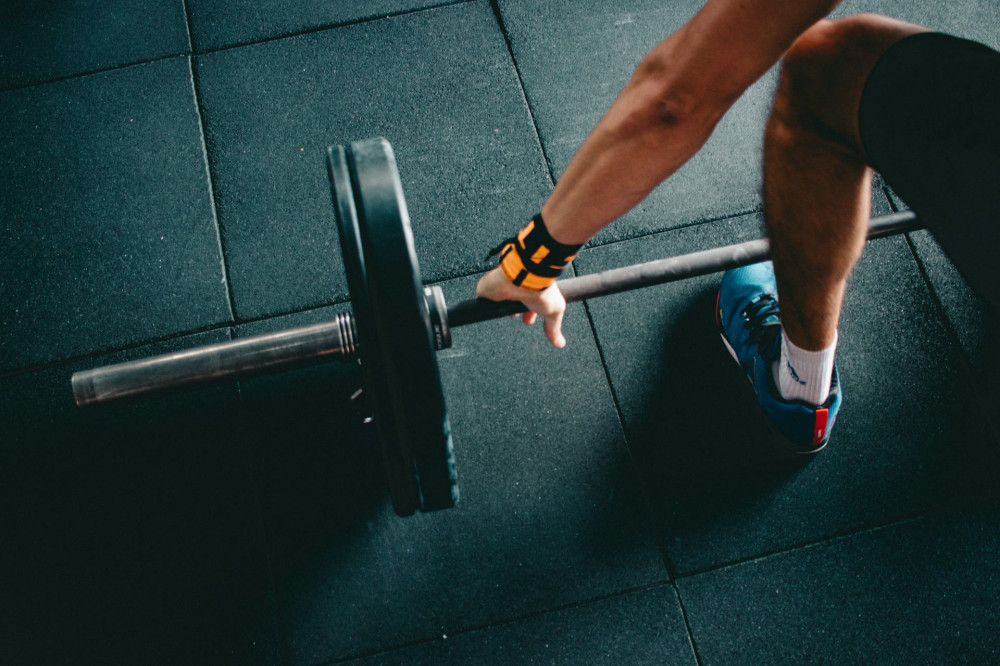
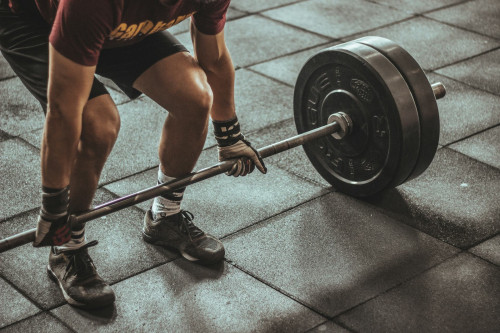
- Deadlifts: Teach proper lifting mechanics—great for protecting your back when picking up heavy objects.
- Rotational movements with a band or medicine ball: Strengthen your obliques and improve your ability to twist and reach.
Combining these exercises gives you a full-body workout that targets both large and small muscle groups.
How to Get Started
Begin with two to three sessions per week, focusing on quality over quantity. The key is to perform each movement with control and proper form. If you’re new to this type of training, consider working with a certified trainer to learn correct technique.
You can start with a simple circuit of five or six exercises, repeating them for two or three rounds. As you get stronger, increase the resistance or add more complex movements to keep challenging your body.
Bringing Functional Training Into Everyday Life
One of the best things about functional training is how quickly you notice its impact on your daily routine. You’ll find it easier to lift, carry, walk, and move without stiffness or fatigue. Many people also experience better posture and fewer aches in their back and shoulders.
You can even weave functional movement into your day: take the stairs instead of the elevator, carry your groceries evenly in both hands, or do a few squats while waiting for your coffee to brew. Small habits add up over time.
A Training Style for Everyone
Functional training can be adapted to any fitness level—regardless of age, experience, or physical condition. Exercises can be modified to be easier or more challenging, and you can train at home, in a gym, or outside.
The most important thing is to move with awareness and focus on how your body works together. When you train functionally, you’re not just building muscles—you’re building movement, balance, and strength for a life in motion.
Læs også: