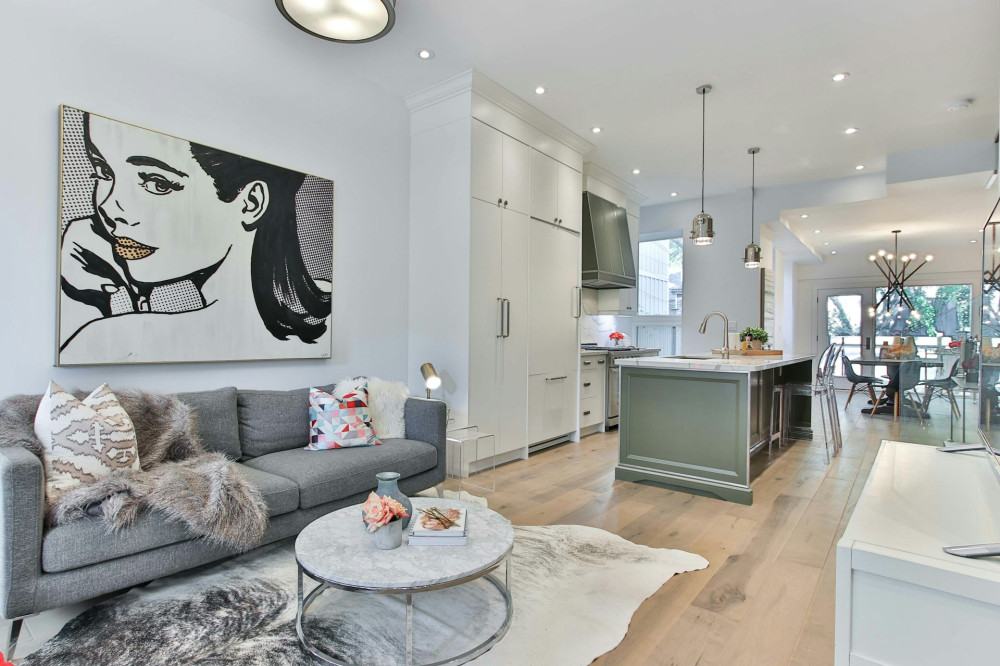
Calm and Energy in the Living Room – Create Balance in Your Décor

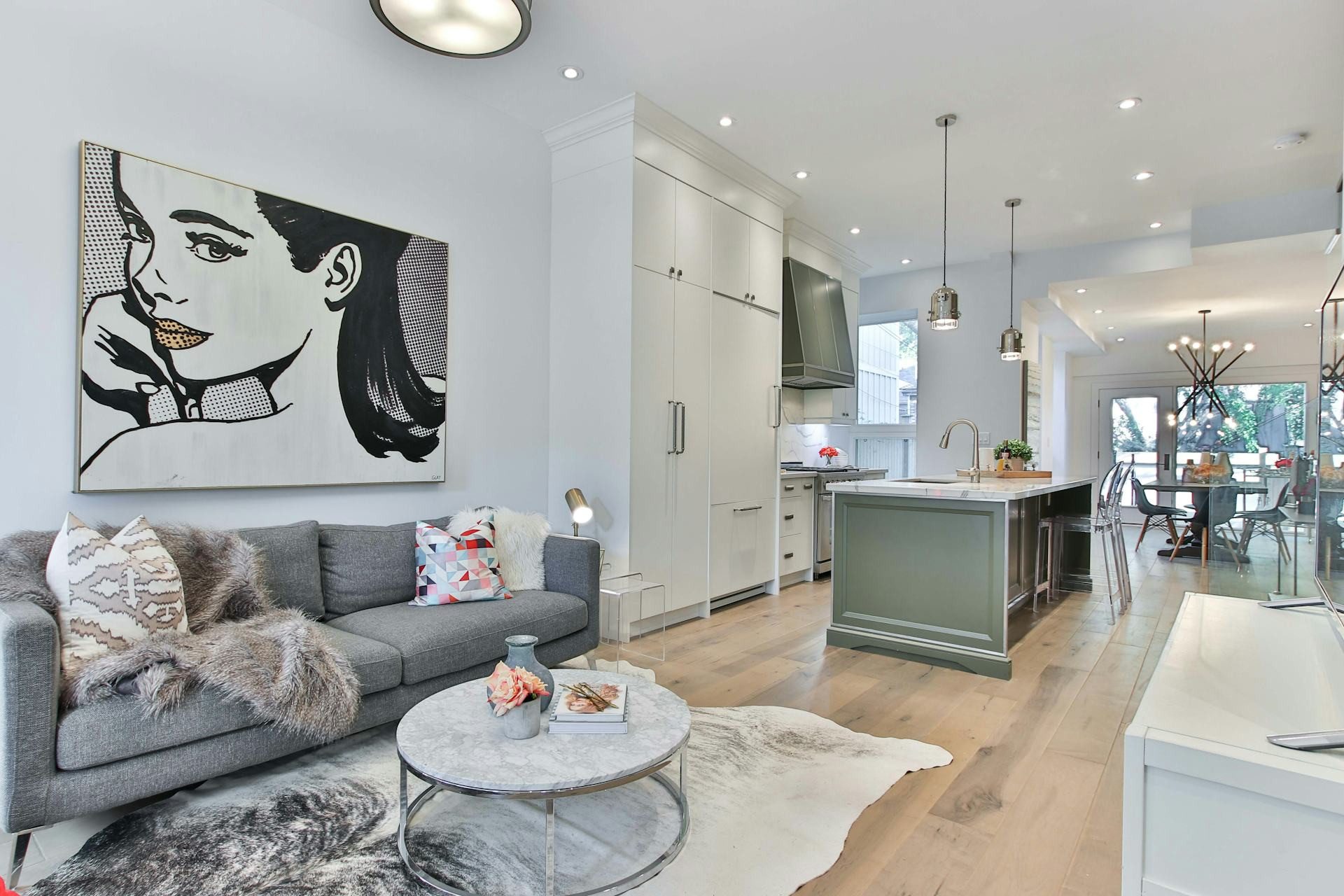
Calm and Energy in the Living Room – Create Balance in Your Décor
The living room is the heart of the home – the place where we gather, unwind, and recharge. But because it serves so many purposes, it can easily start to feel cluttered or off-balance. A well-designed living room isn’t just about style; it’s about how the space supports your mood and energy. Here’s how to create a living room that feels both calm and vibrant – a space that helps you thrive every day.
Find Harmony Through Color and Texture
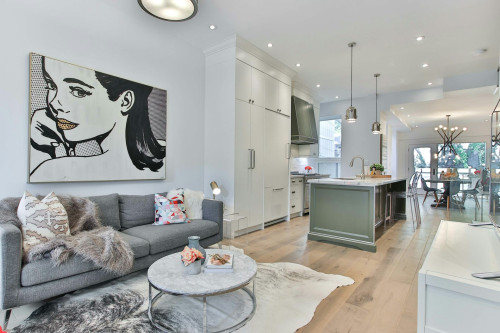
Color sets the tone for any room. If you want a sense of calm, choose soft, muted shades like sand, sage, gray, or warm neutrals. These hues create a grounded and soothing atmosphere. To bring in energy, add small bursts of color – perhaps through throw pillows, artwork, or a statement rug. A few lively accents can lift the mood without overwhelming the space.
Texture is just as important as color. Combine cozy fabrics, natural wood, ceramics, and woven fibers to create a layered, inviting feel. Avoid too many glossy or cold surfaces, which can make a room feel sterile. Instead, mix matte and soft finishes to add depth and balance.
Design with Zones – and Make Room for Stillness
A living room works best when it’s organized into natural zones. You might have one area for lounging, another for conversation, and a corner for reading or listening to music. Use rugs, lighting, and furniture placement to define these spaces so the room feels intentional and harmonious.
At the same time, give your furniture room to breathe. Overcrowded spaces can feel stressful, while open areas allow the eye to rest. That doesn’t mean your living room has to be minimalist – just that every piece has a purpose and there’s a balance between fullness and openness.
Light – The Key to Mood and Energy
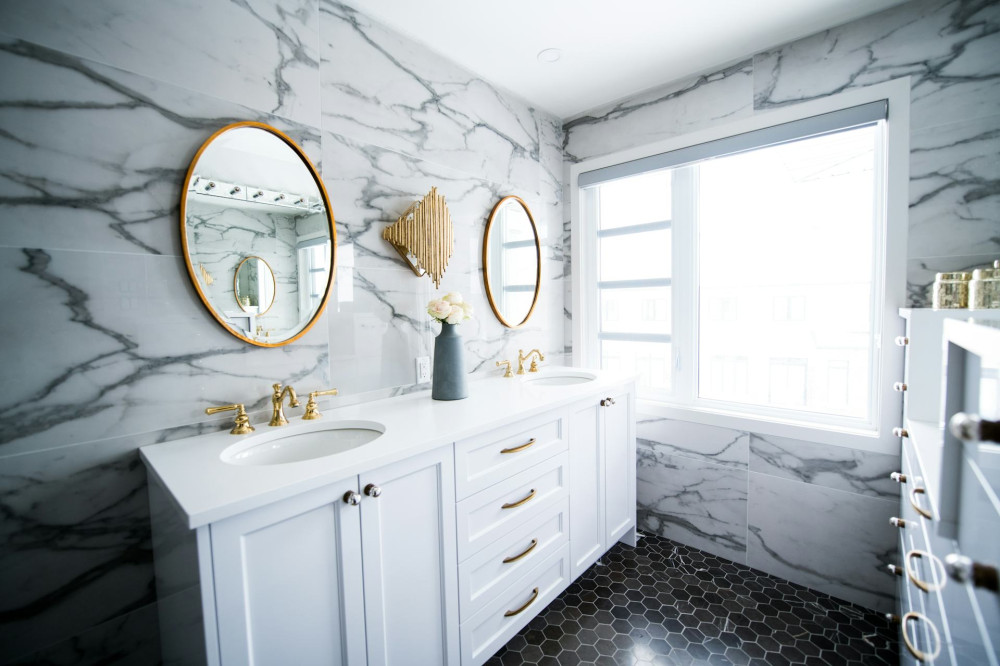
Lighting has a powerful effect on how we experience a room. Make the most of natural light by keeping windows clear of heavy drapes and using mirrors to reflect daylight around the space. In the evening, layer your lighting with floor lamps, table lamps, and candles to create a warm, inviting glow.
Dimmer switches are a simple way to adjust the atmosphere. Bright light is great for cleaning or active moments, while softer light encourages relaxation. By changing the lighting throughout the day, you can shift the room’s energy to match your needs.
Bring Nature Indoors
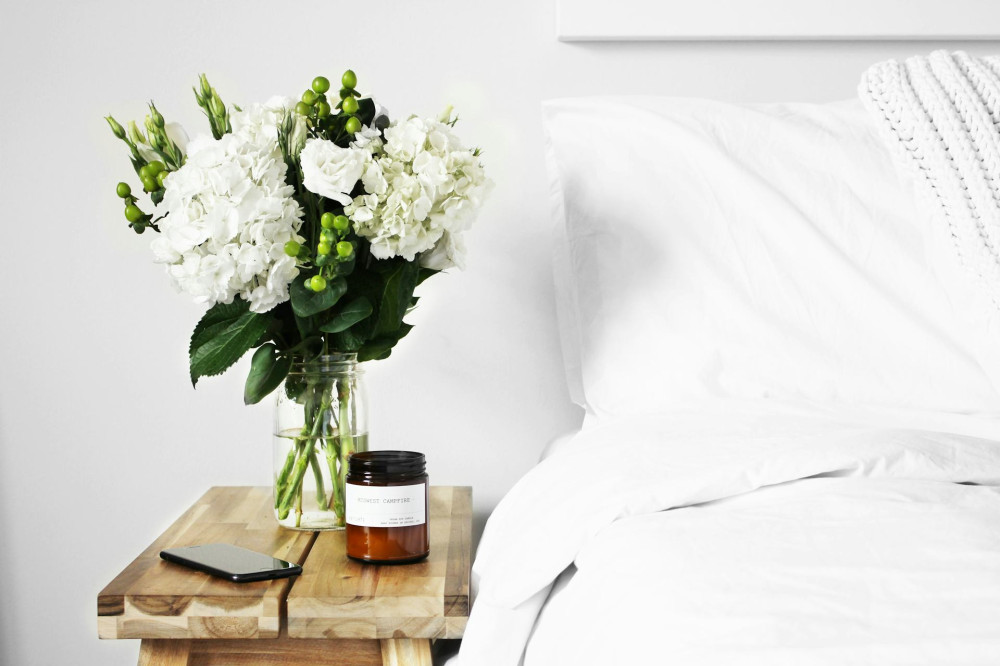
Greenery is one of the easiest ways to add both calm and vitality to your living room. Plants purify the air, soften acoustics, and connect you to nature’s rhythm. Choose varieties that suit your light conditions – a fiddle-leaf fig or rubber plant for bright spaces, or a snake plant for lower light.
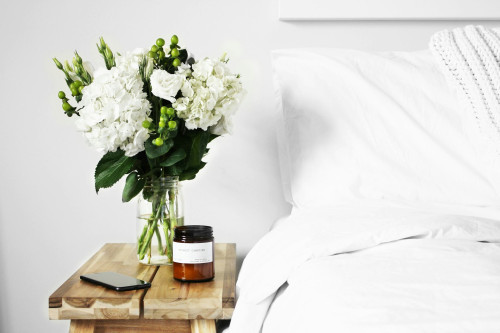
You can also incorporate natural materials like wood, stone, and wool to create a grounded, organic feel. A wooden bowl, a clay vase, or a branch displayed in a glass bottle can bring a touch of nature’s serenity into your décor.
Personality Without Clutter
A calm space doesn’t have to be plain. Personal touches bring warmth and character – the key is to be selective. Instead of scattering small decorative items everywhere, group your favorites together or create a focal point, such as a gallery wall, a bookshelf, or a distinctive piece of furniture.
Surround yourself with things that have meaning to you. They give your home soul. But remember to leave some empty space – visual pauses are part of what makes a room feel balanced.
Læs også:
A Living Room That Supports Your Life
The best design is the one that fits your lifestyle. Think about how you use your living room most: relaxing, entertaining, working, or all of the above. Then design with both function and feeling in mind. A space that feels good to be in gives you energy – not because it’s perfect, but because it reflects who you are and how you live.
Creating balance in your living room is ultimately about finding peace in what surrounds you. When color, light, materials, and purpose come together, you create that special sense of harmony that makes your home a place where you can truly breathe.
Læs også: